6 Products
Maksutov tubes
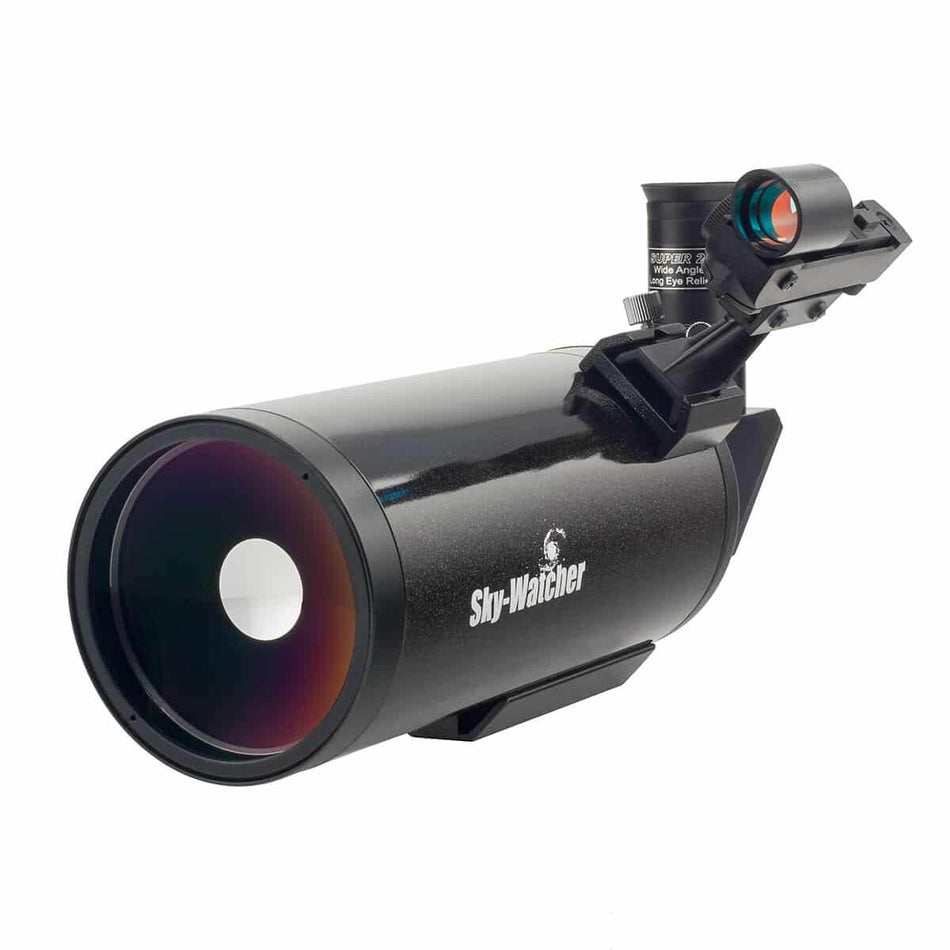
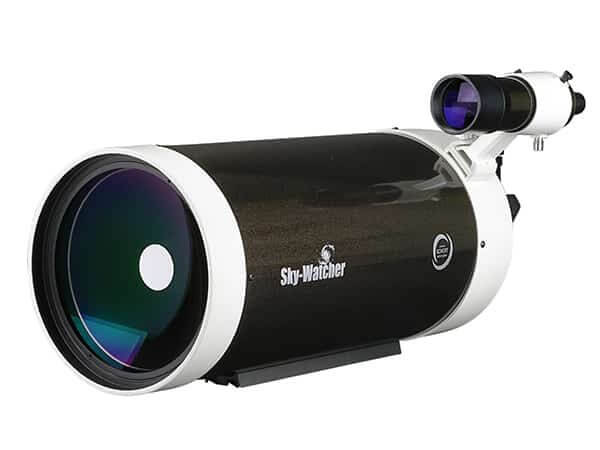
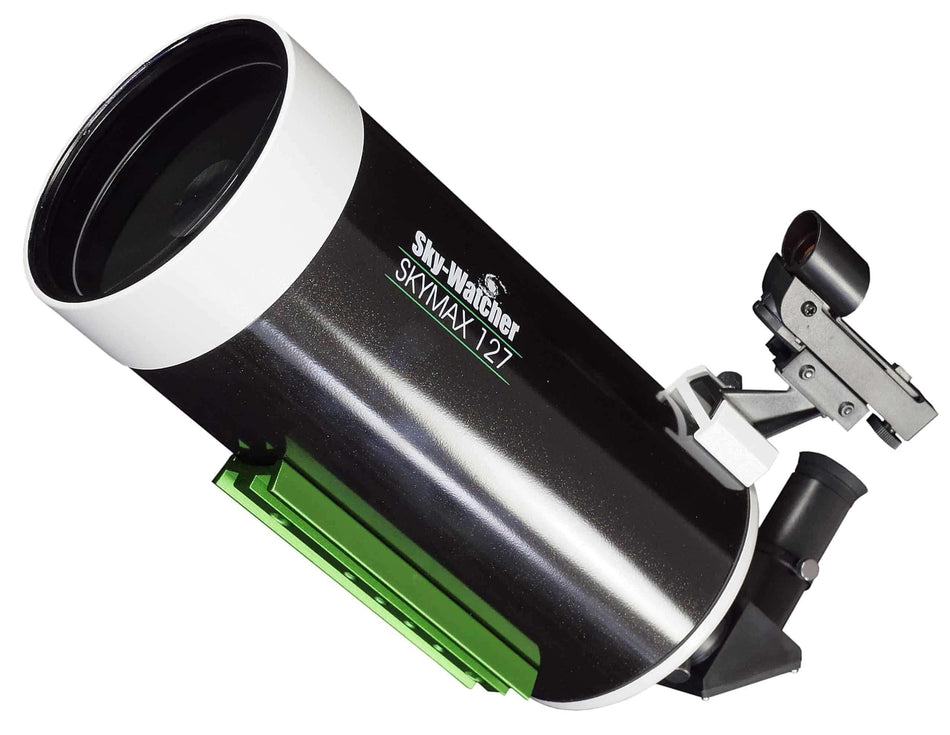
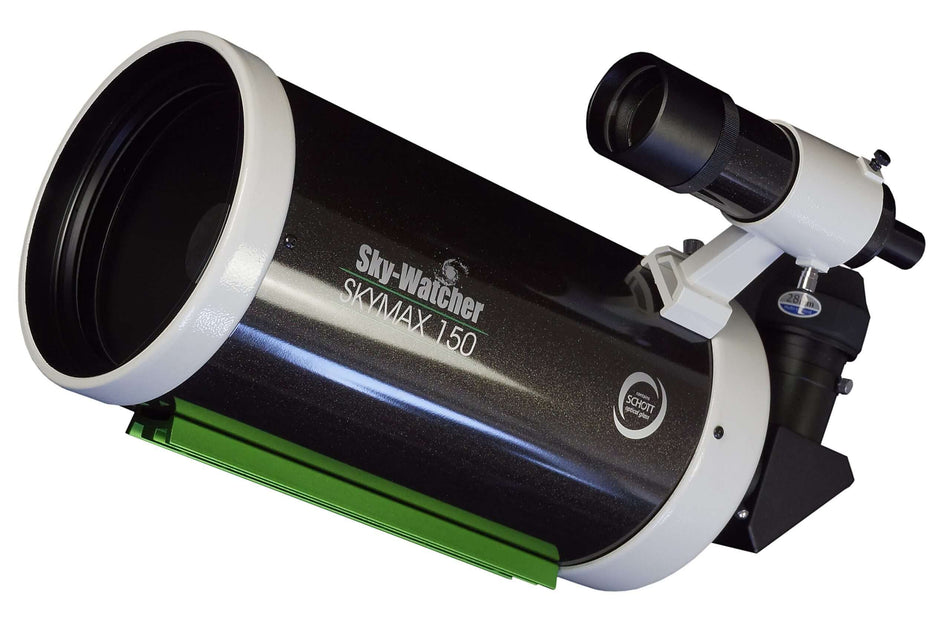
The Maksutov telescope tube is a catadioptric system that combines a spherical primary mirror with a strongly curved meniscus corrector lens, eliminating the optical aberrations typical of pure reflectors. The focal point sits axially at the rear of the tube, accessible through a central hole in the primary mirror. The result is a compact, sealed and low-maintenance system that delivers consistently high optical performance over time.
Maksutov optical tubes are defined by their long focal ratios (typically f/12–f/15), high natural magnification and sharp, high-contrast images. They are the instrument of choice for planetary observation, the Moon, the Sun with dedicated filters, and solar system objects in general. The closed tube design protects the optics from dust and moisture, making them reliable instruments for frequent use.
Maksutov or Newton? Differences and how to choose
The Maksutov and the Newtonian serve fundamentally different purposes. The Newton is an open, fast system with typically short focal lengths: it excels at deep-sky observation and astrophotography of nebulae and galaxies. The Maksutov is a closed, long-focal-length system with a narrow field of view: it prioritises definition and contrast at high magnification, making it the superior choice for planets, the Moon and disk-shaped objects.
Compared to the Schmidt-Cassegrain, another widely used catadioptric design, the Maksutov generally offers more precise optical correction, a smaller spot size and better planetary resolution — at the cost of a slightly heavier tube and a longer thermal acclimatisation time for larger apertures.
When to choose a Maksutov tube:
- Your primary goal is planetary and lunar observation at high magnification
- You want a compact, sealed and low-maintenance instrument
- You are pairing the tube with a goto mount for systematic visual sessions
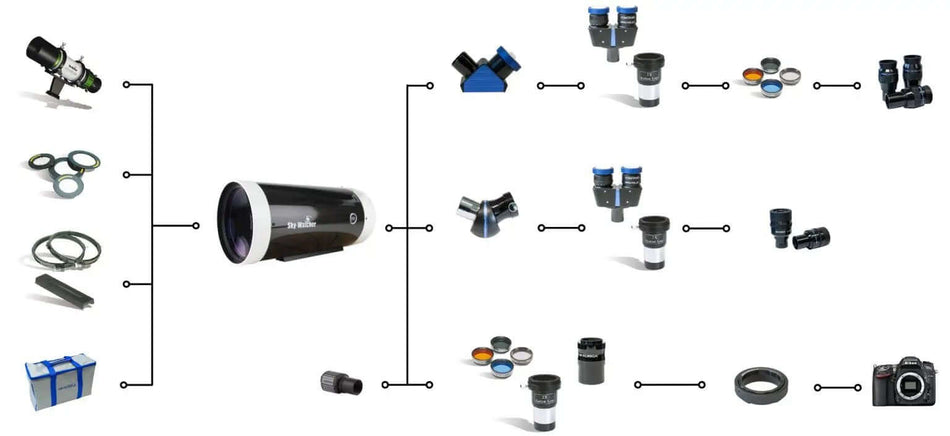
- You want to image planets with a webcam or dedicated planetary camera
![[DEMO] SkyWatcher Maksutov Skymax 102 telescopio](http://adriasky.it/cdn/shop/files/skywatcher-skymax-102-telescopio-nuovo-esposizione.jpg?v=1778854465&width=950)