20 Products
Complete achromatic telescopes
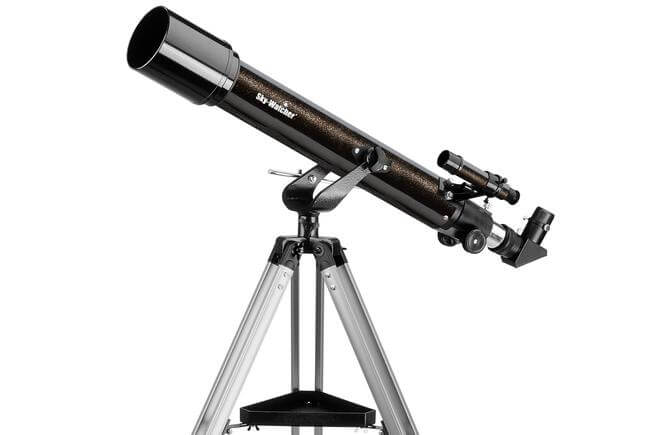
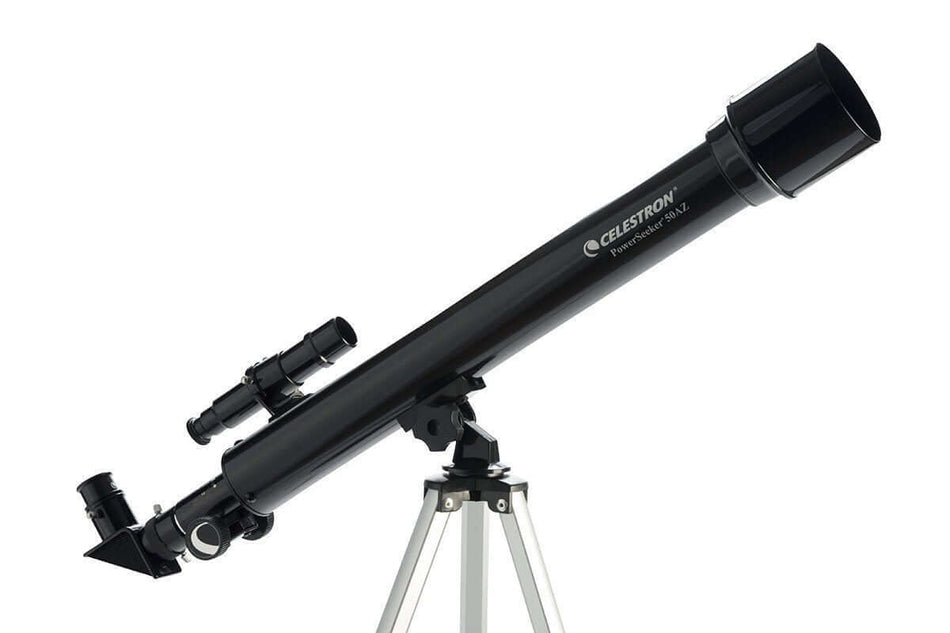
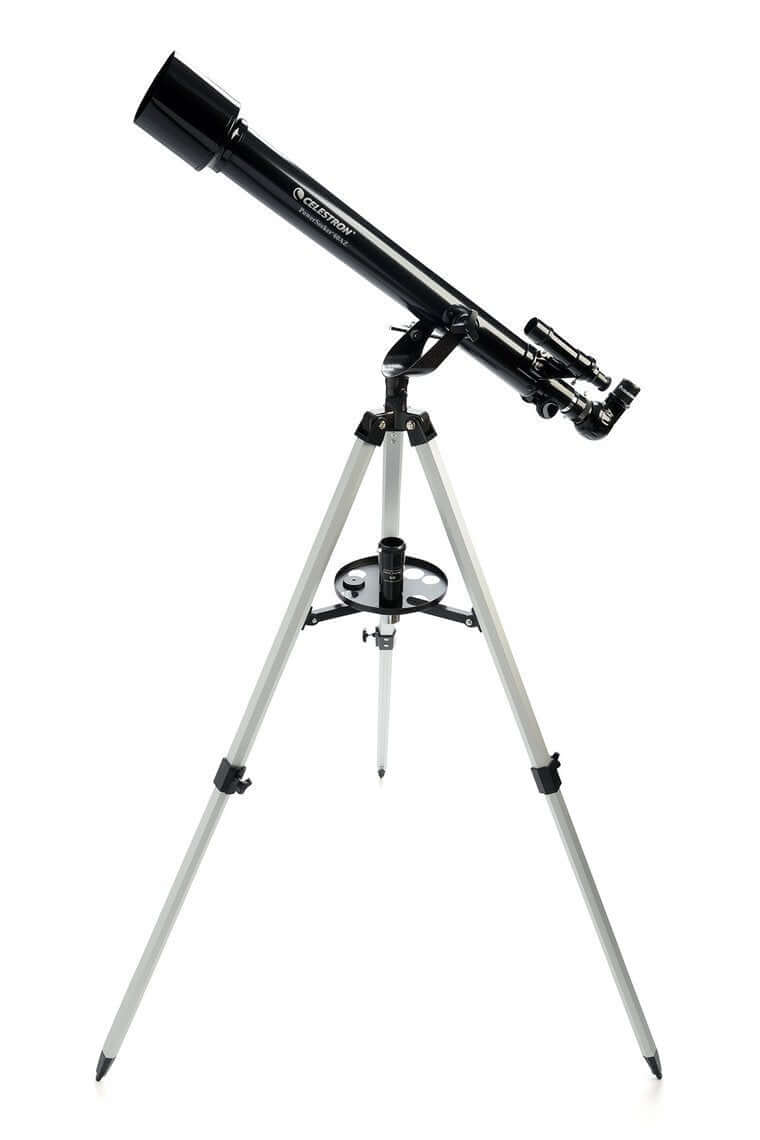
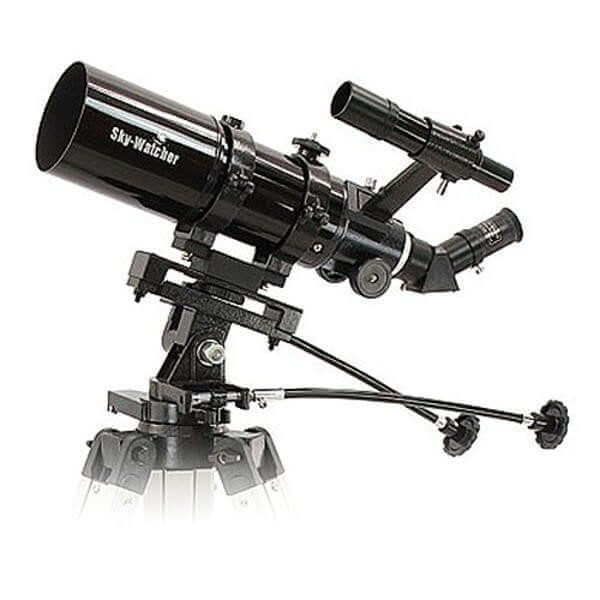
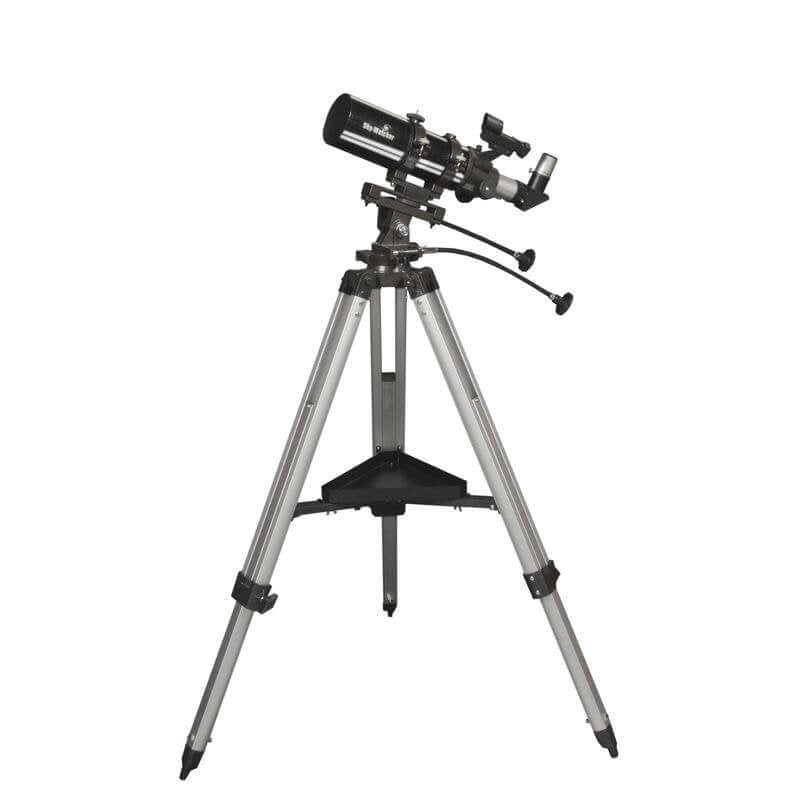
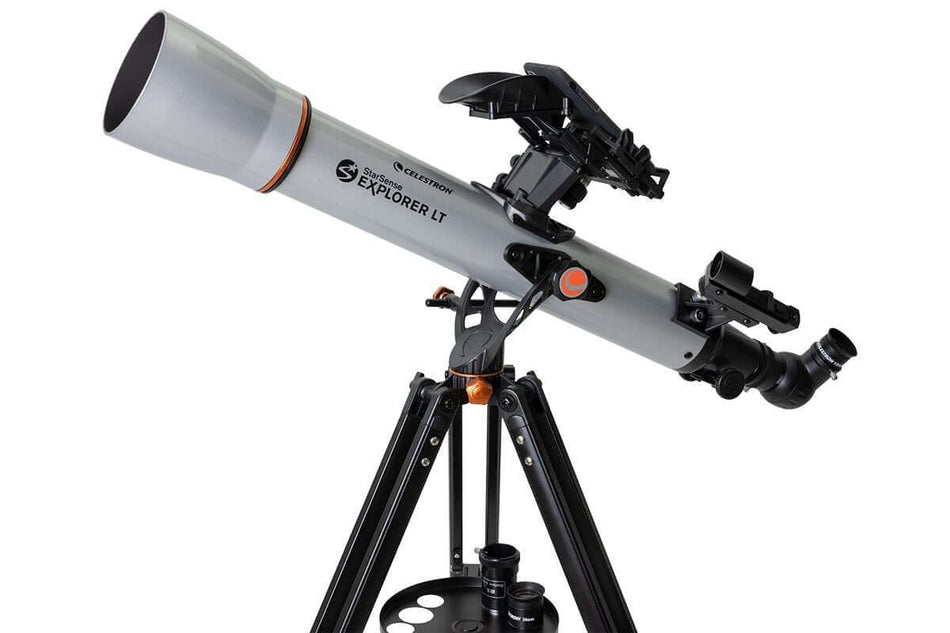
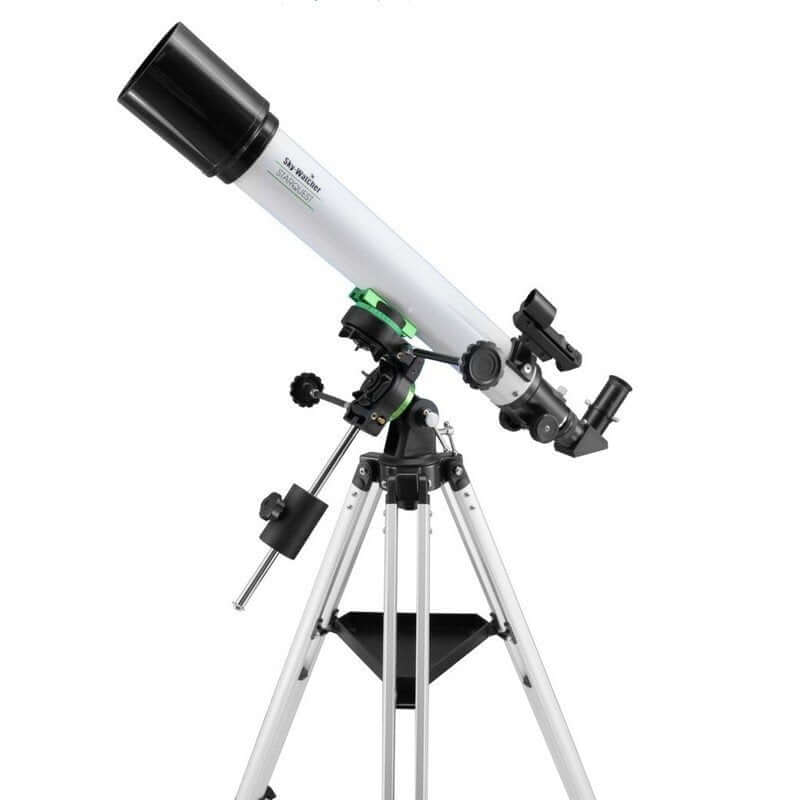
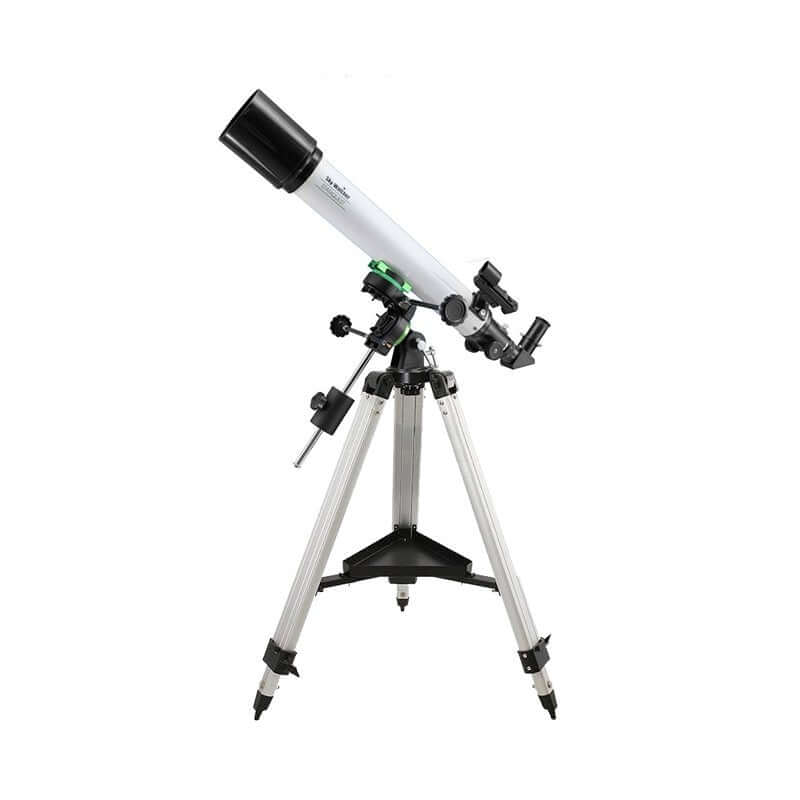
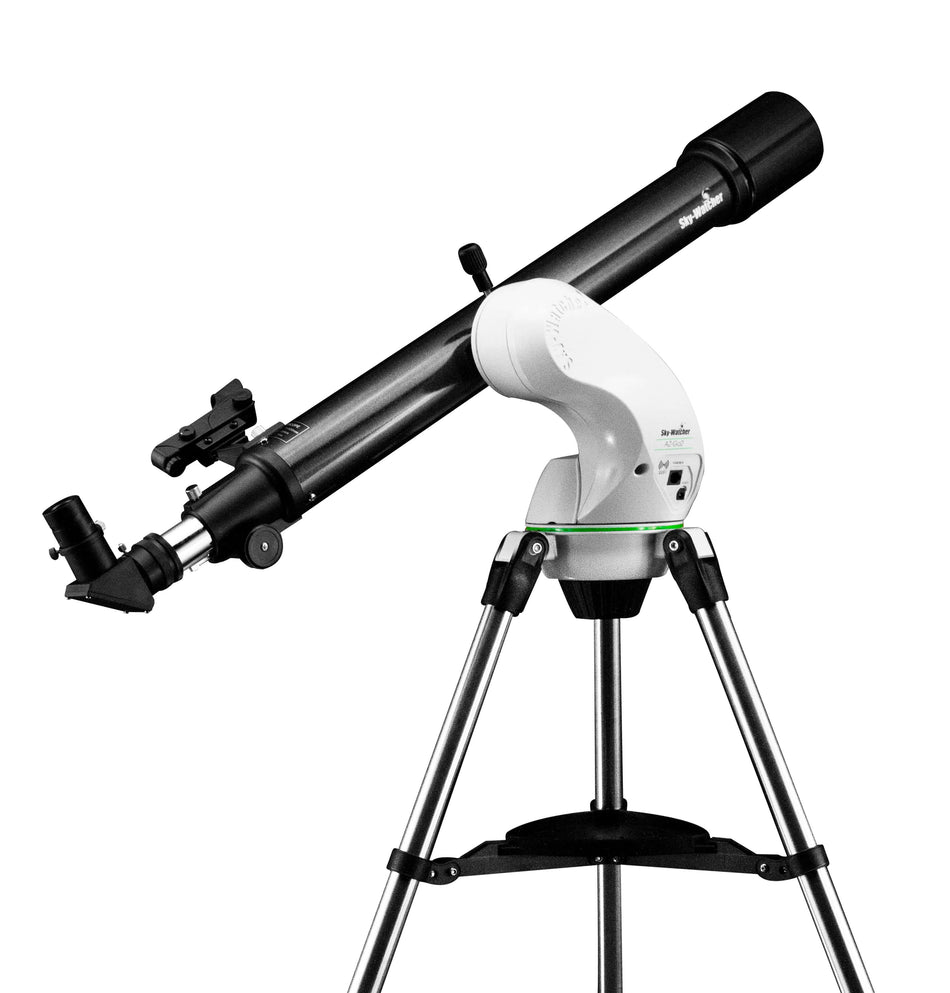
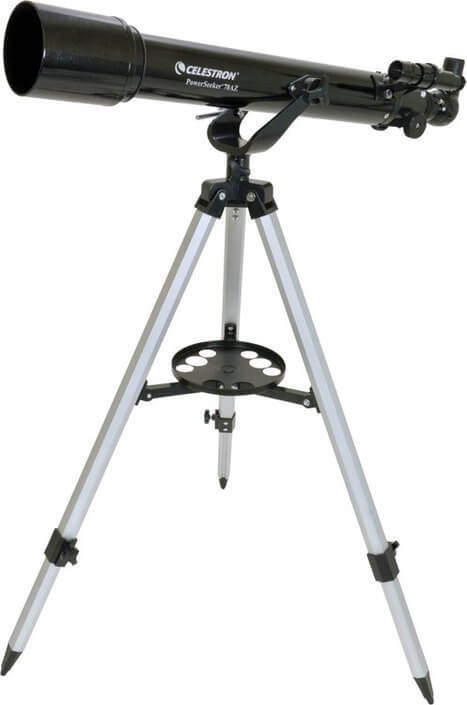
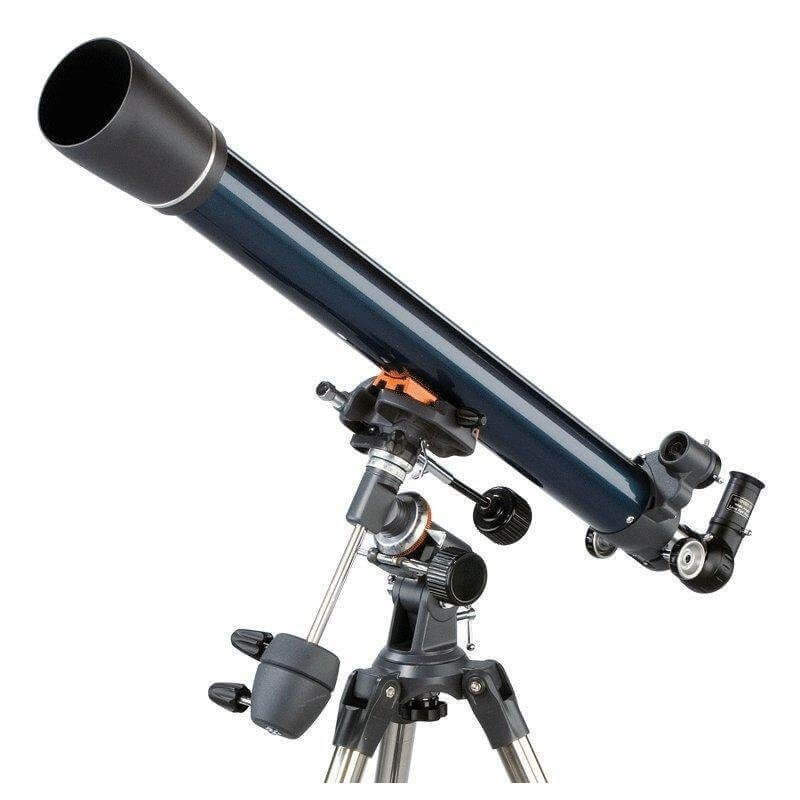
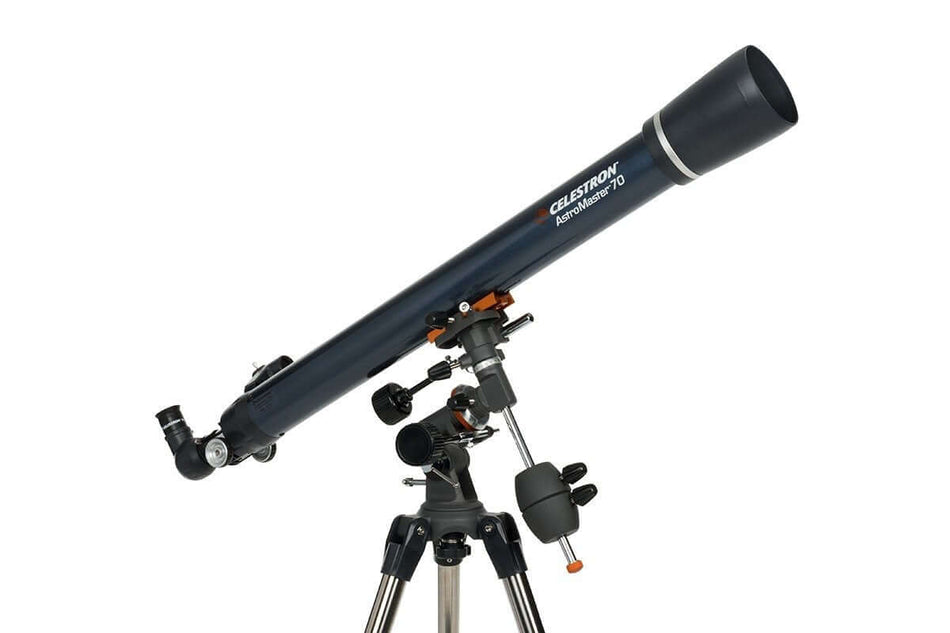
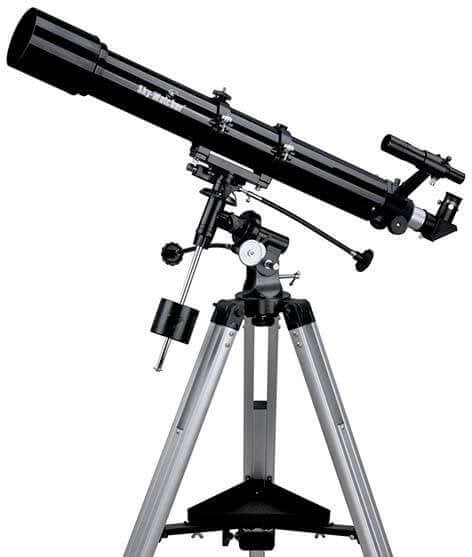
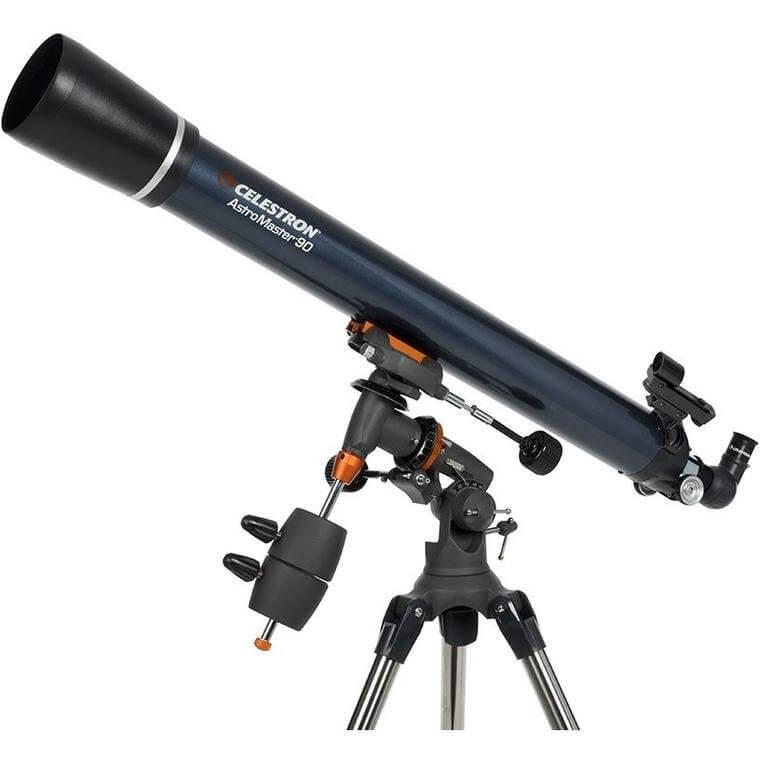
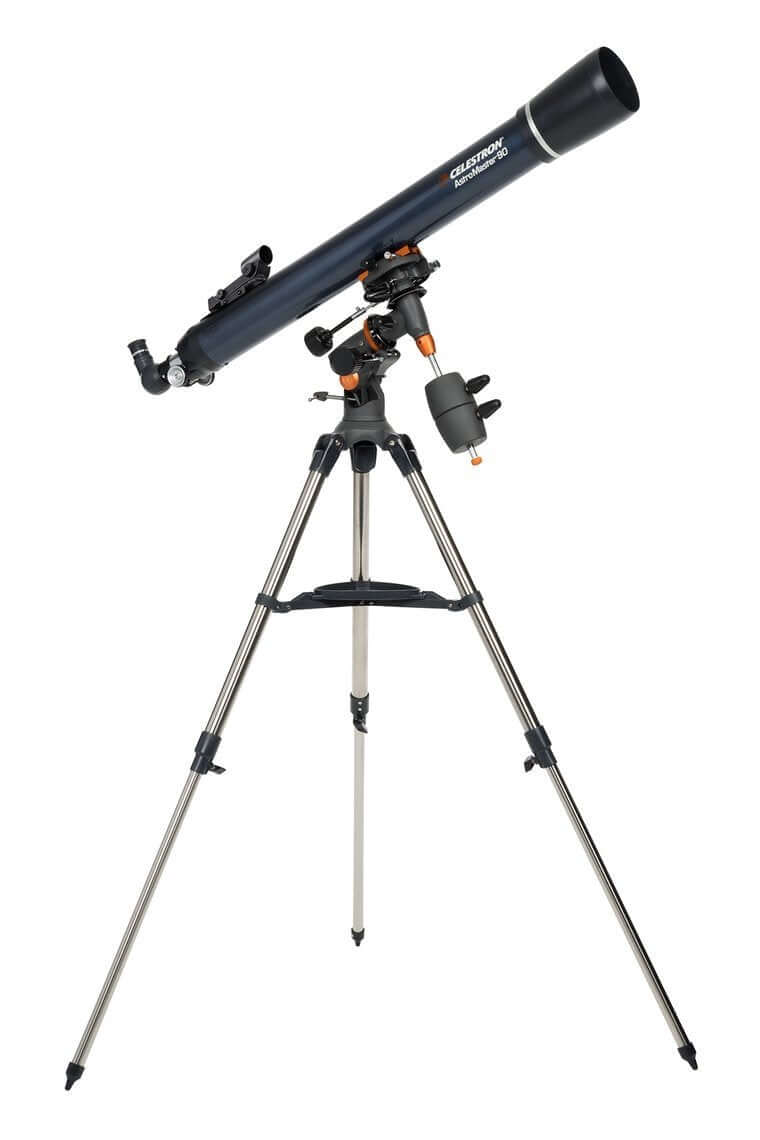
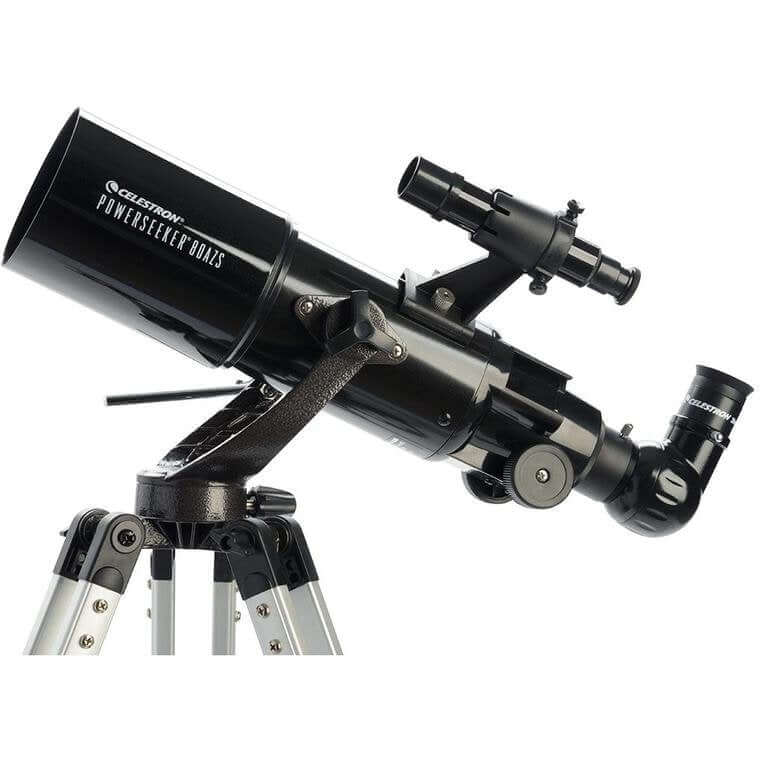
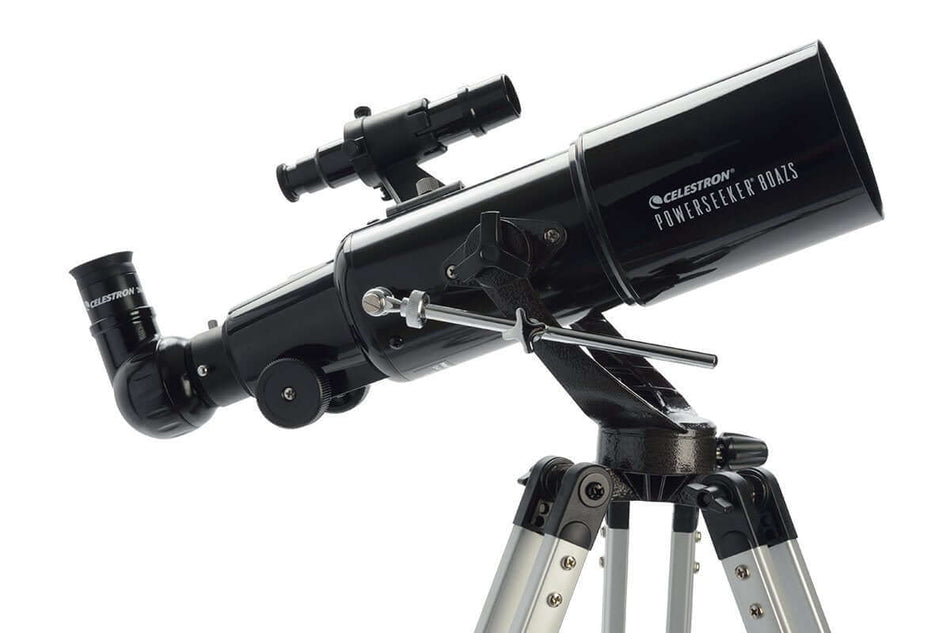
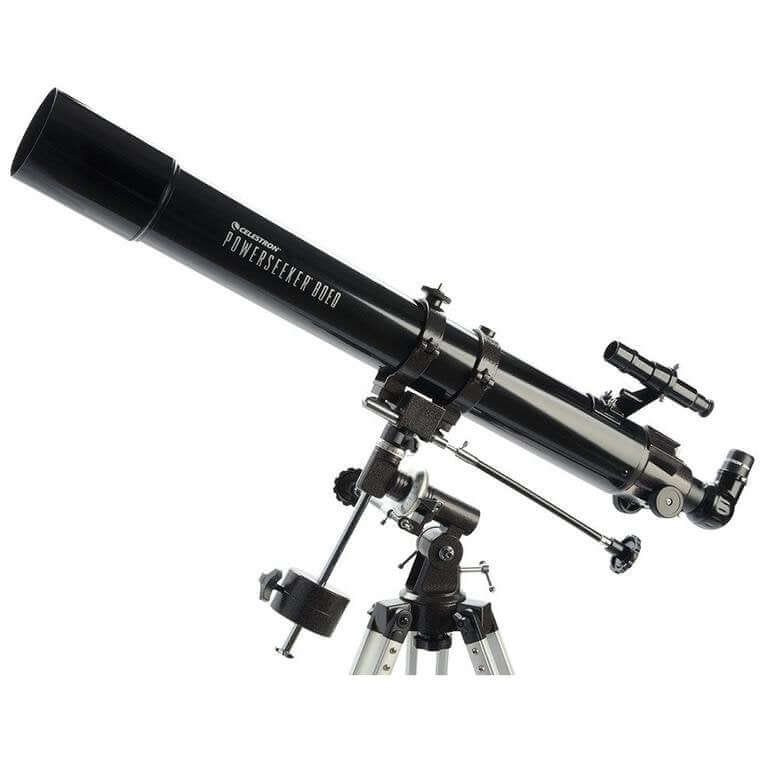
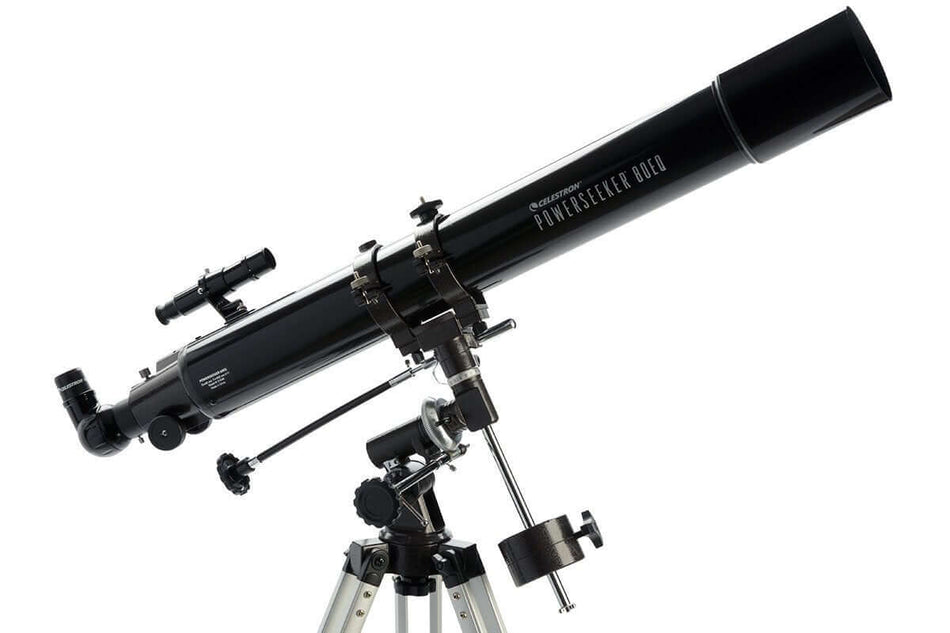
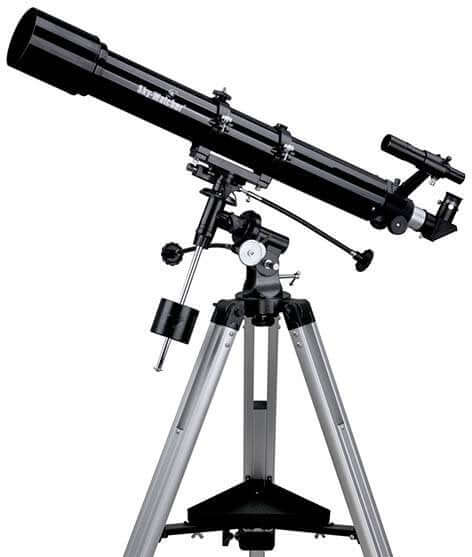
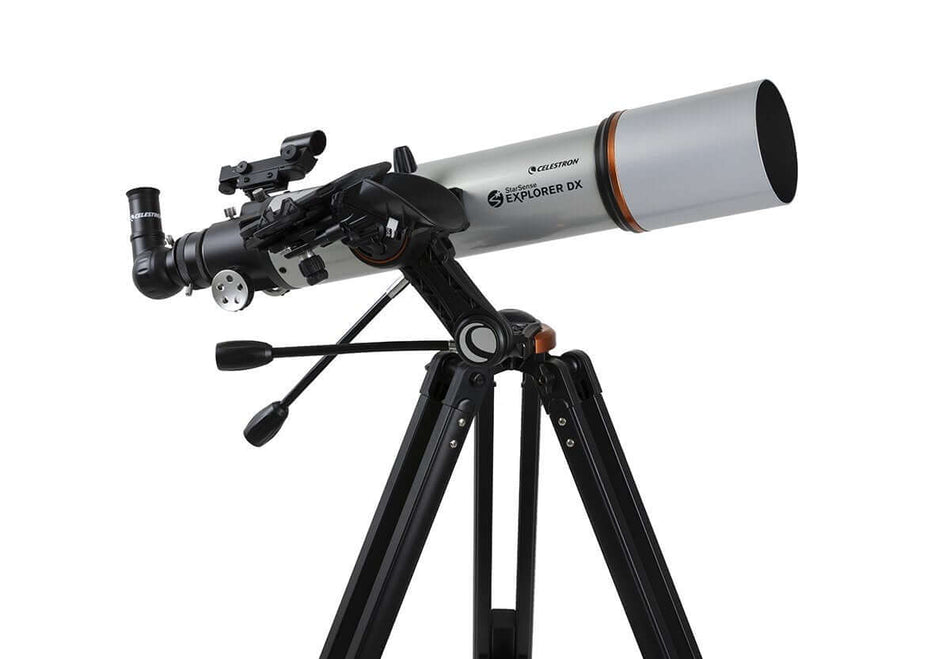
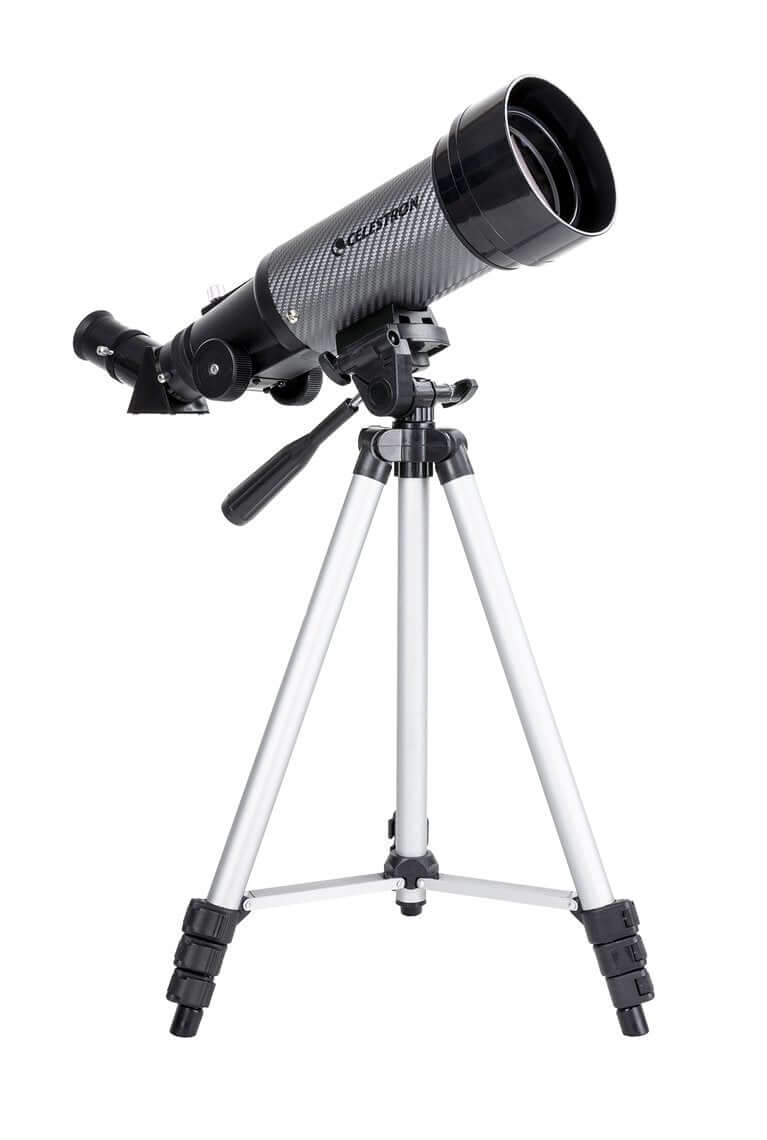
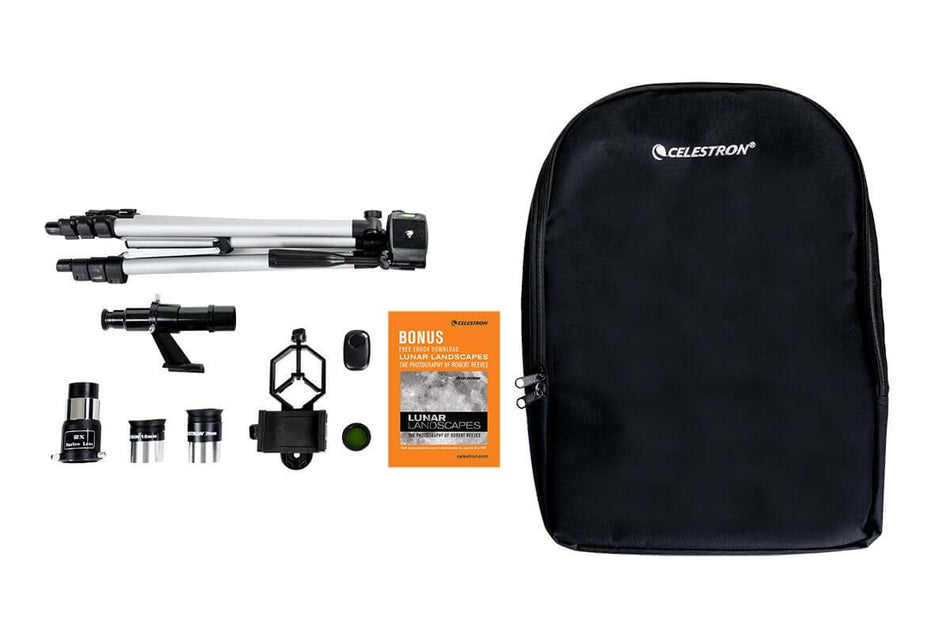
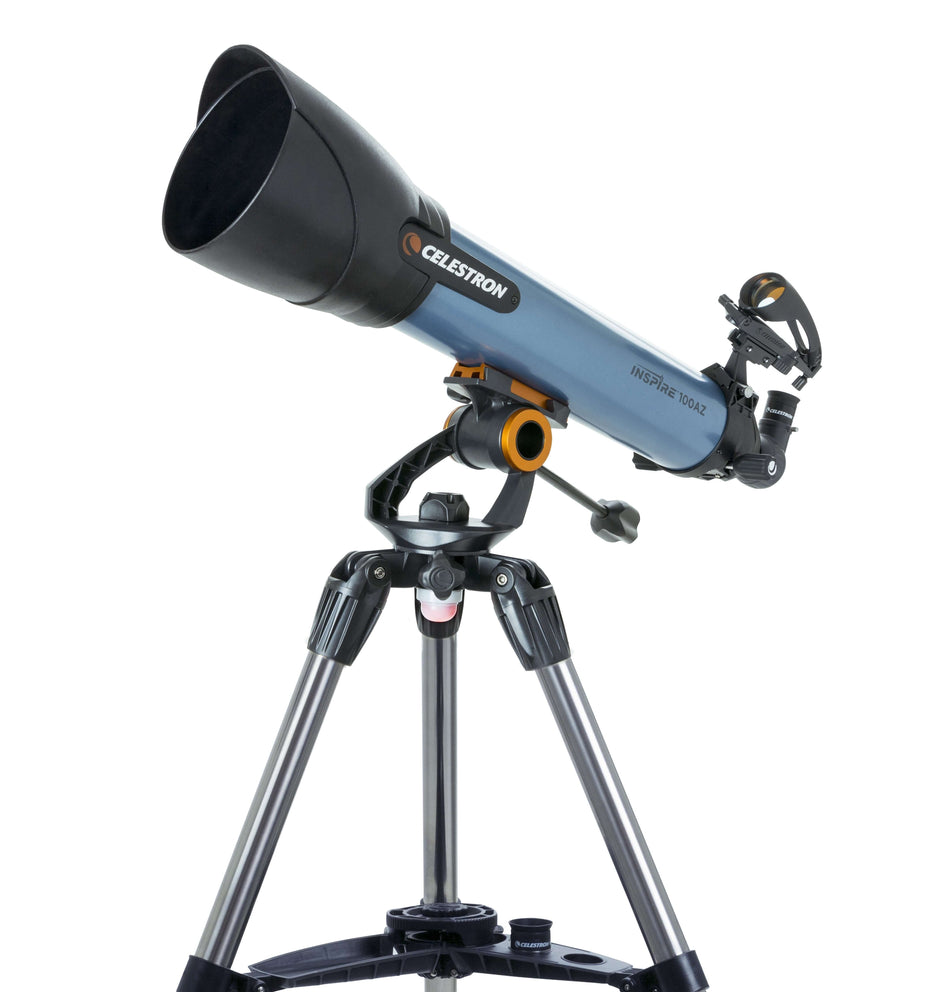
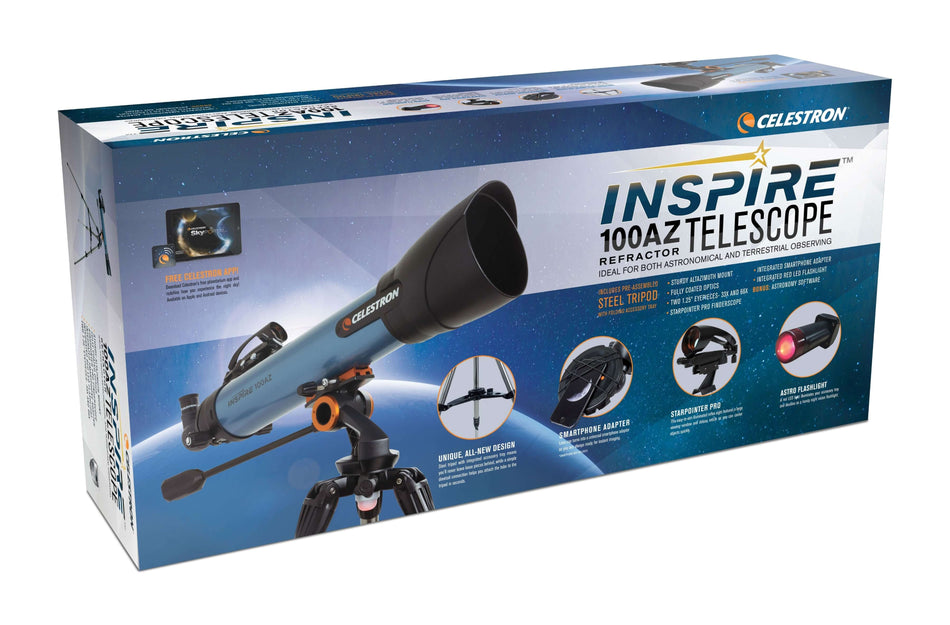
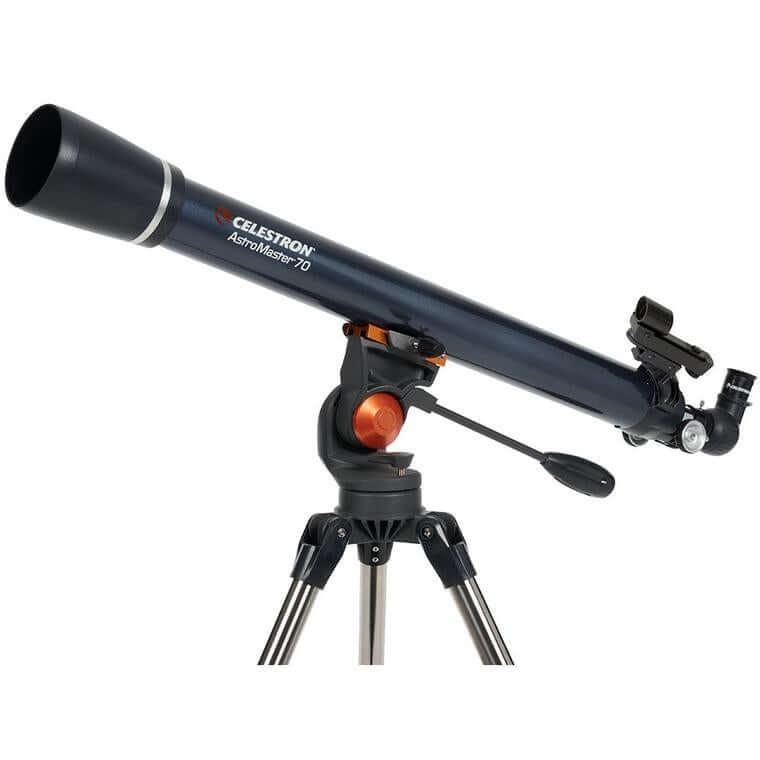
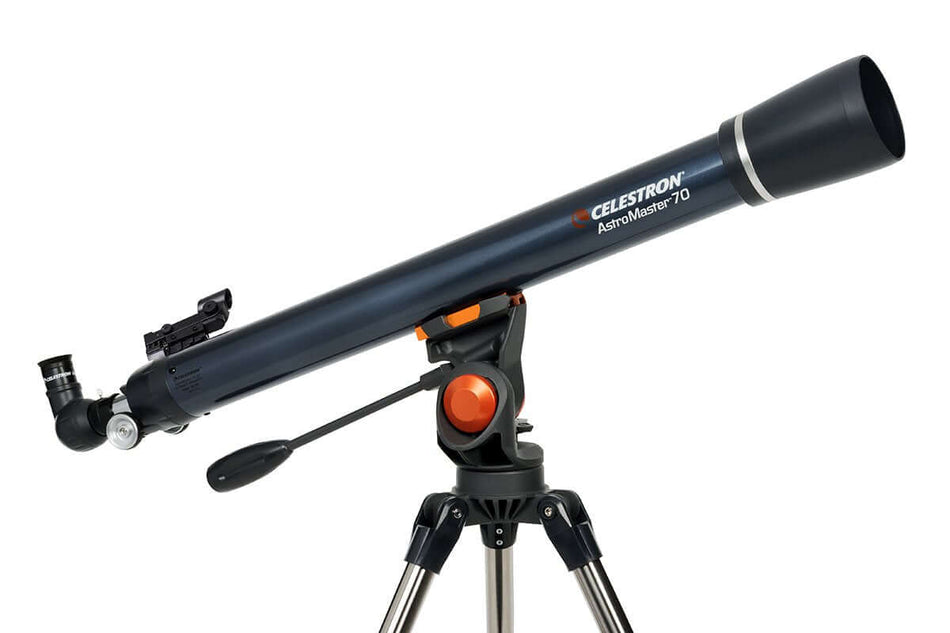
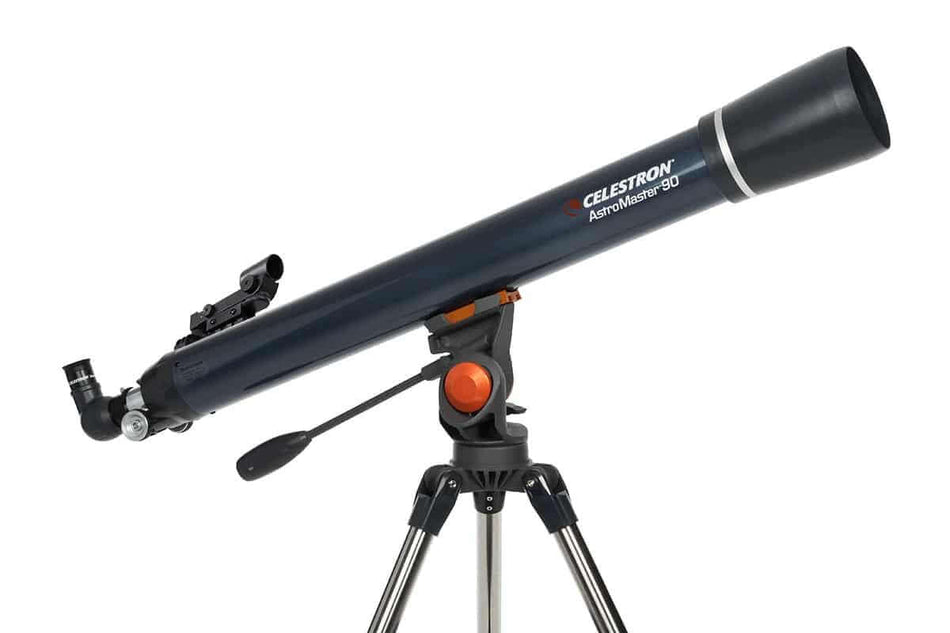
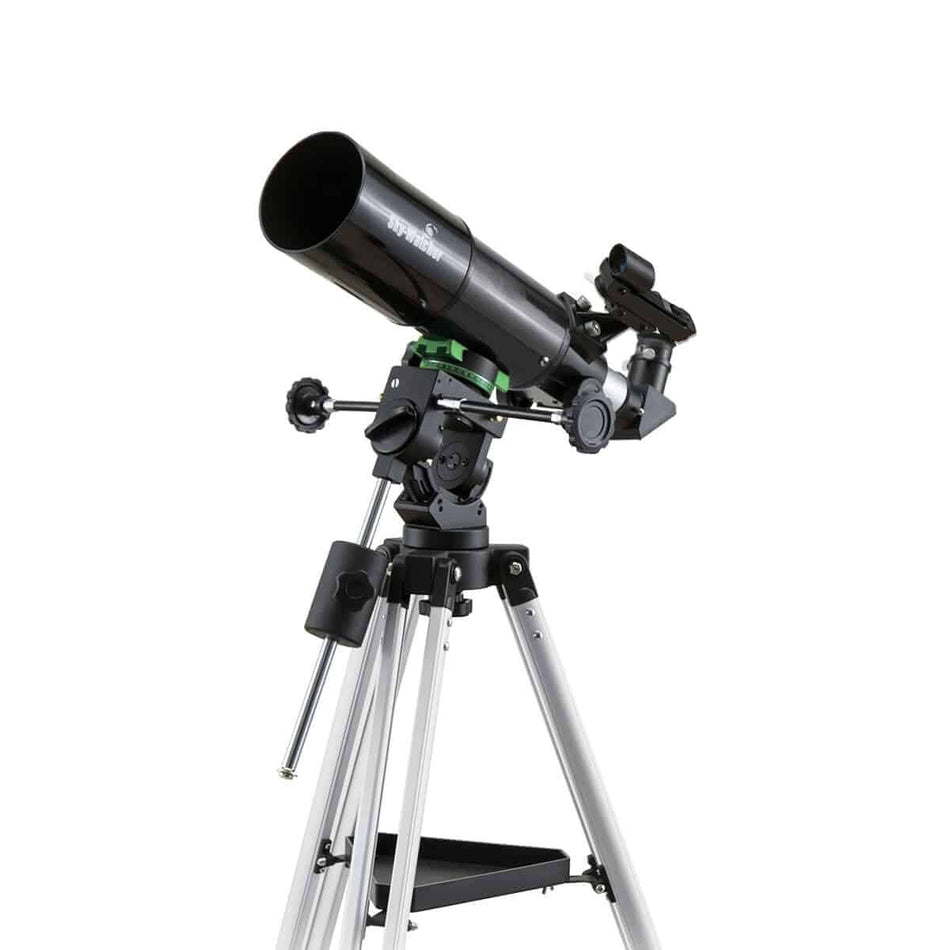
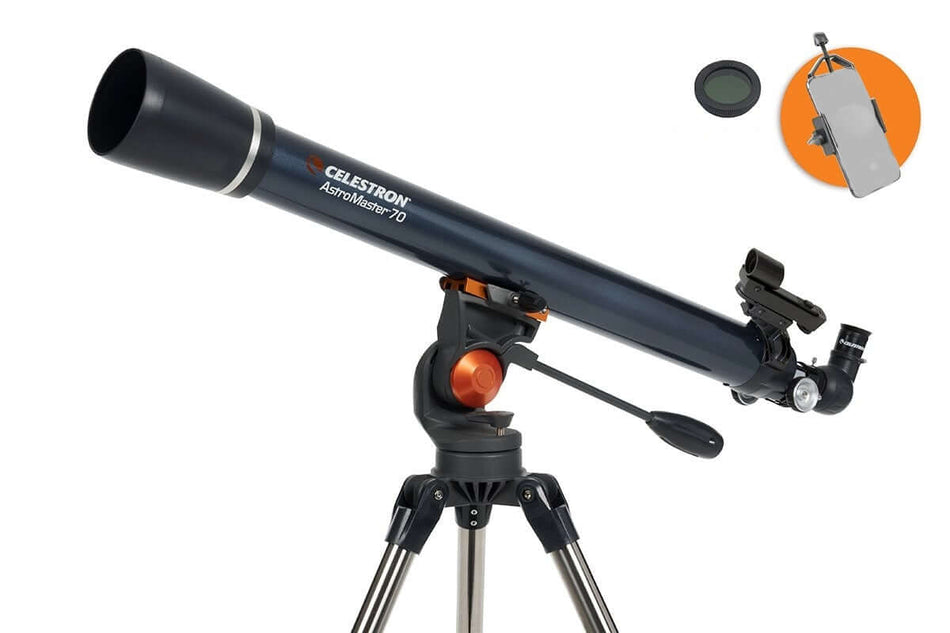
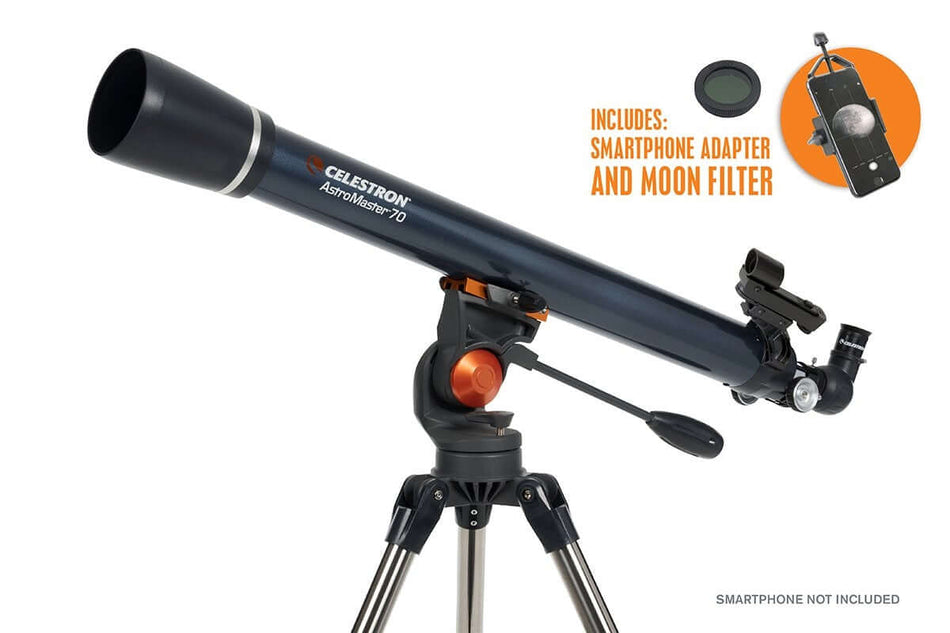
Achromatic complete telescopes are ready-to-use refractors supplied with a tripod and/or manual equatorial mount. They are a simple and reliable choice for beginners and young users, delivering very good results when observing the Moon and planets.
- Recommended for: first observations, ease of use, learning the night sky
- Key factors: mount stability, optical quality, intuitive pointing
- Practical note: stability matters more than high magnification claims
Learn more: what “achromatic” means and how to choose
Why choose an achromatic refractor
An achromatic refractor uses a lens design intended to reduce chromatic aberration (the coloured fringe visible on very bright objects). This optical solution is common in beginner telescopes because it is easy to use, requires little maintenance and provides clean, high-contrast views, especially of the Moon.
What they are best suited for
- Lunar observation: craters, maria and high-contrast surface details.
- Planets: phases of Venus, main cloud bands of Jupiter and Saturn’s rings under favourable conditions.
- Family use: quick setup, straightforward operation, ideal for young observers.
How to choose the right achromatic complete telescope
- Mount: stability is essential for comfortable and enjoyable observing.
- Focal length and focal ratio: longer focal lengths generally help with planetary observing and chromatic aberration control.
- Compatible accessories: eyepieces, diagonal/prism and finder affect overall usability.
- Portability: consider size and weight if you plan to move the telescope frequently.
Frequently asked questions (FAQ)
Is this type of telescope suitable for complete beginners?
Yes. Achromatic refractor complete telescopes are among the easiest and most reliable options for starting out in astronomy.
What is the difference between achromatic and apochromatic?
Apochromatic telescopes correct colour aberrations more effectively and are better suited for advanced use and imaging,
while achromatic models focus on simplicity and excellent value for visual observing.
Do I really need an equatorial mount?
It is not strictly required, but it can make tracking objects easier. In any case, mount stability remains the top priority.