23 Products
Complete Schmidt-Cassegrain telescopes
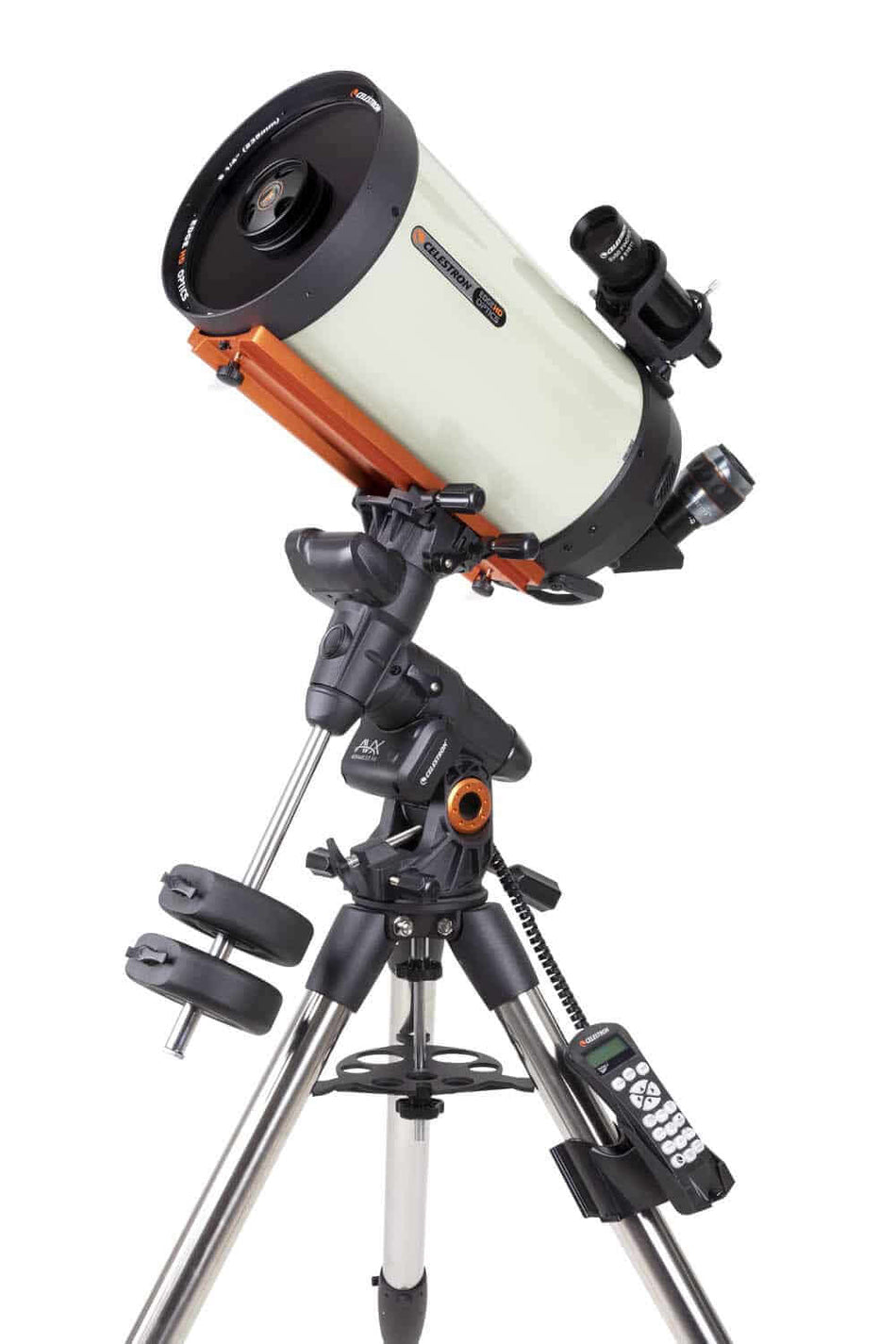
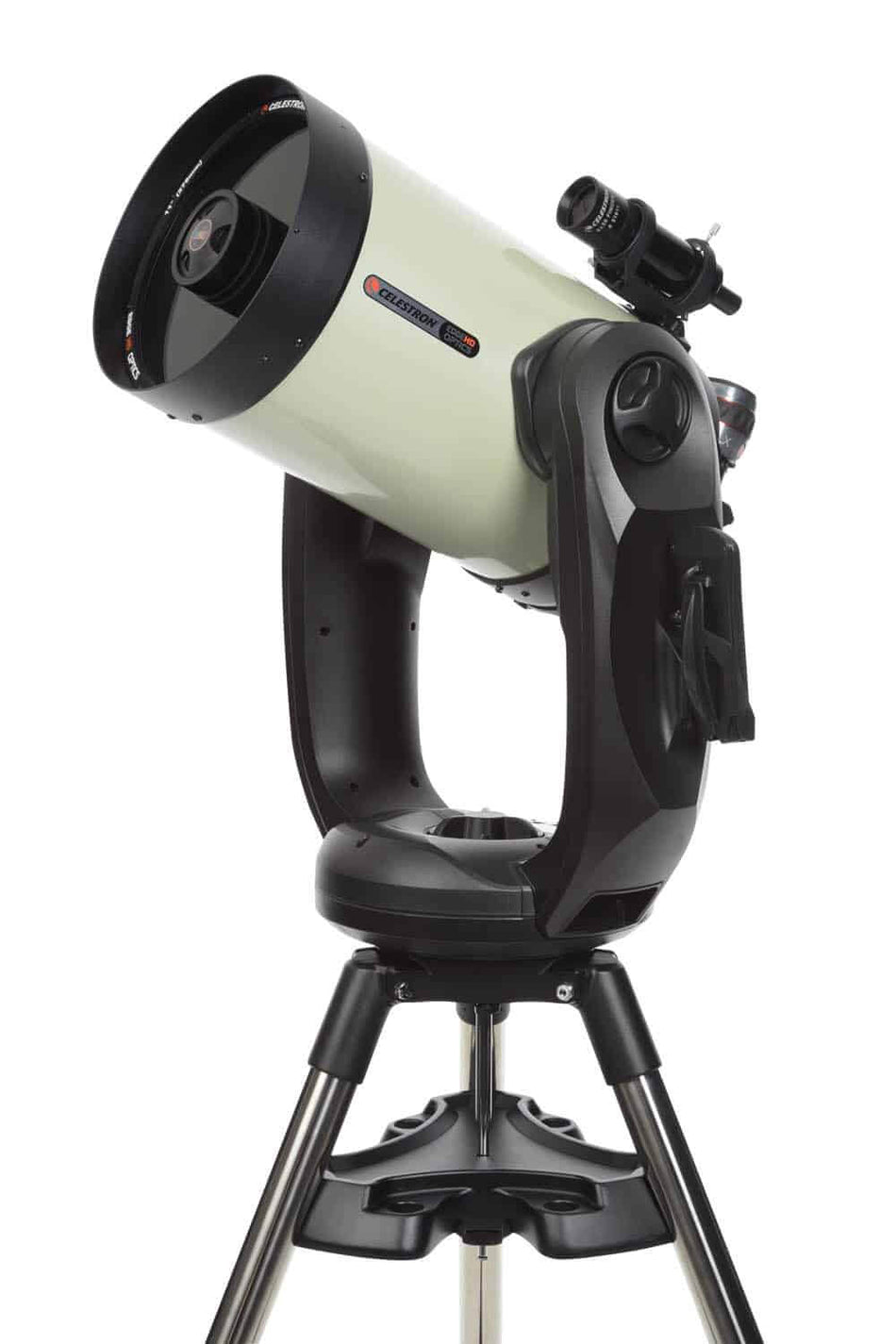
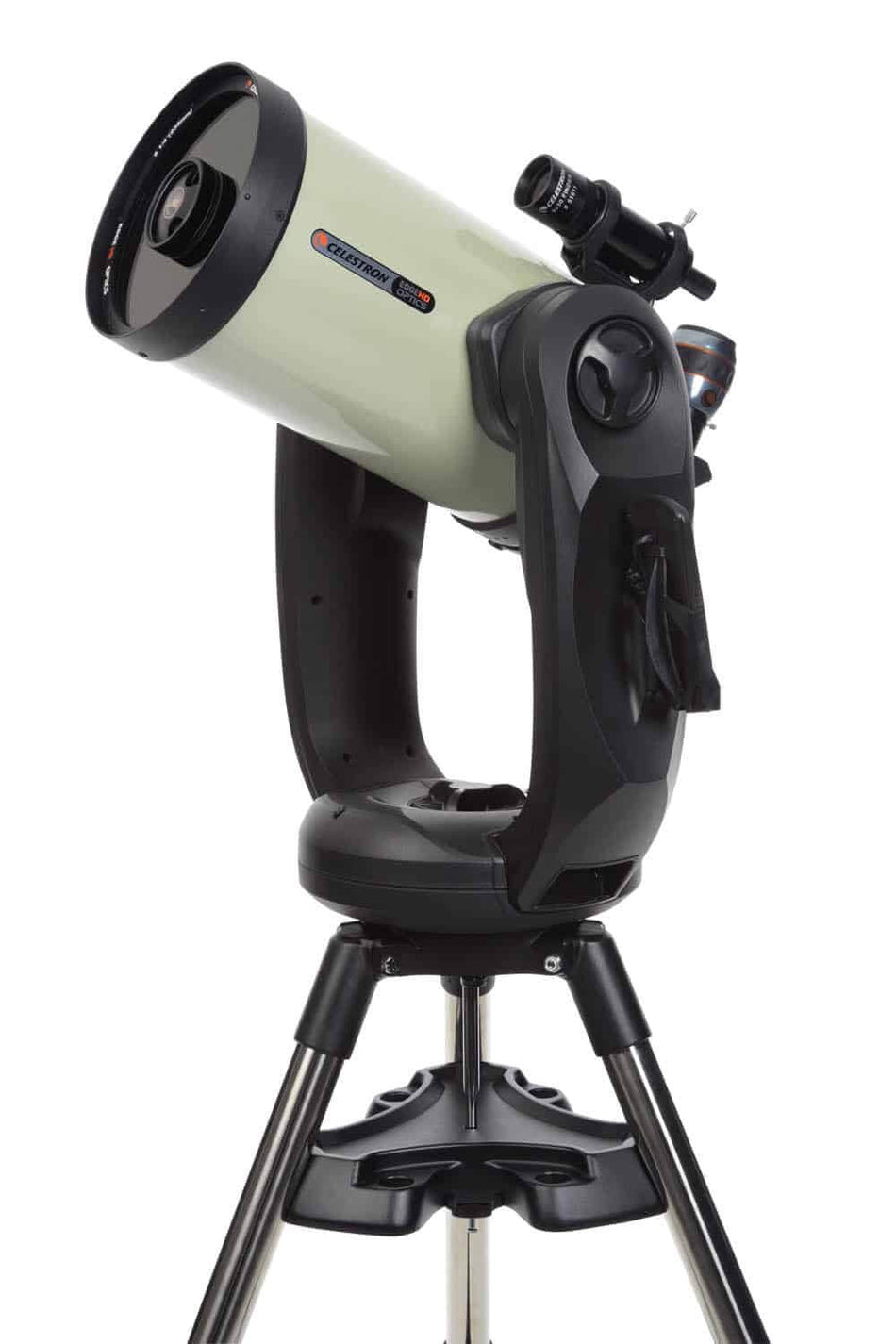
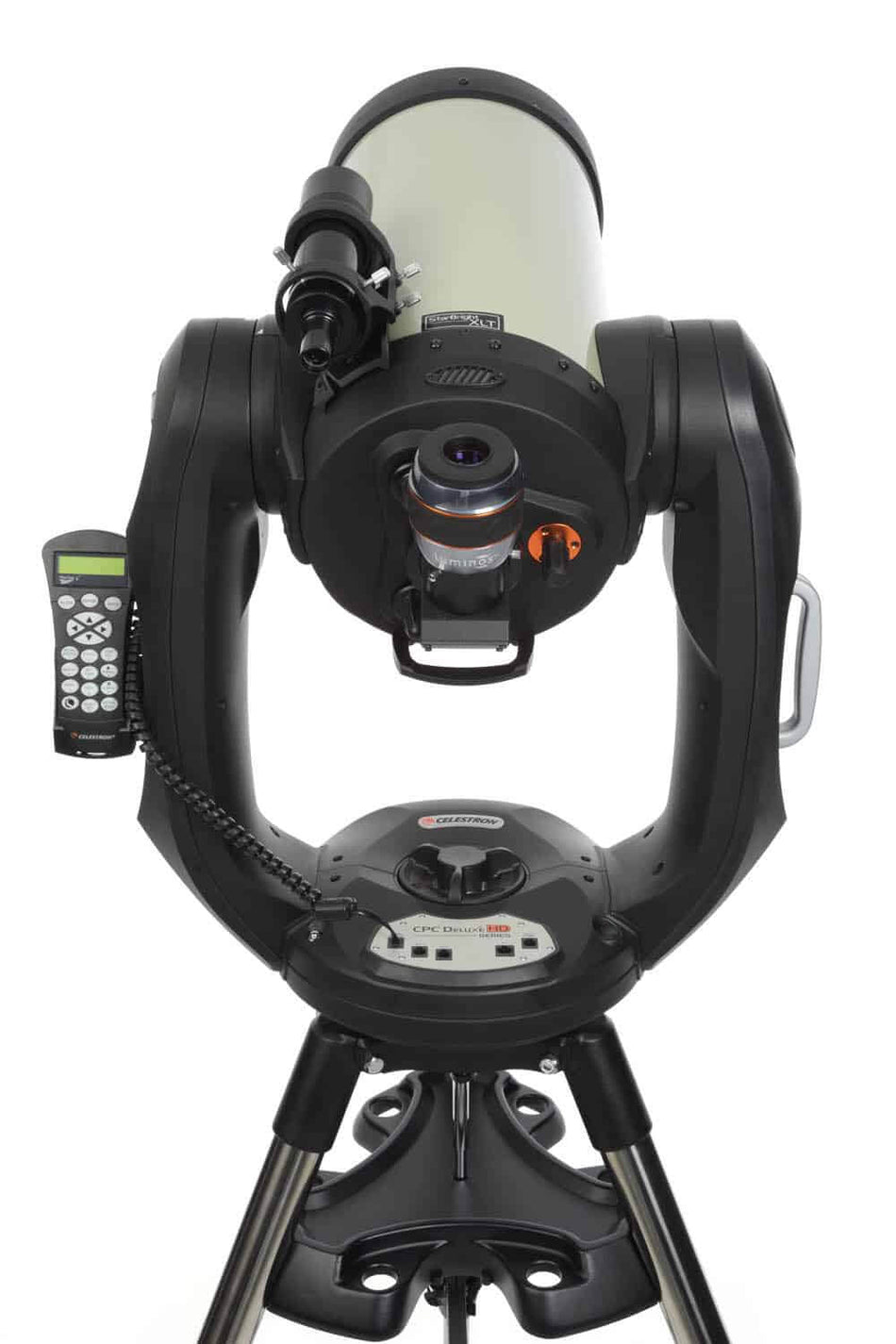
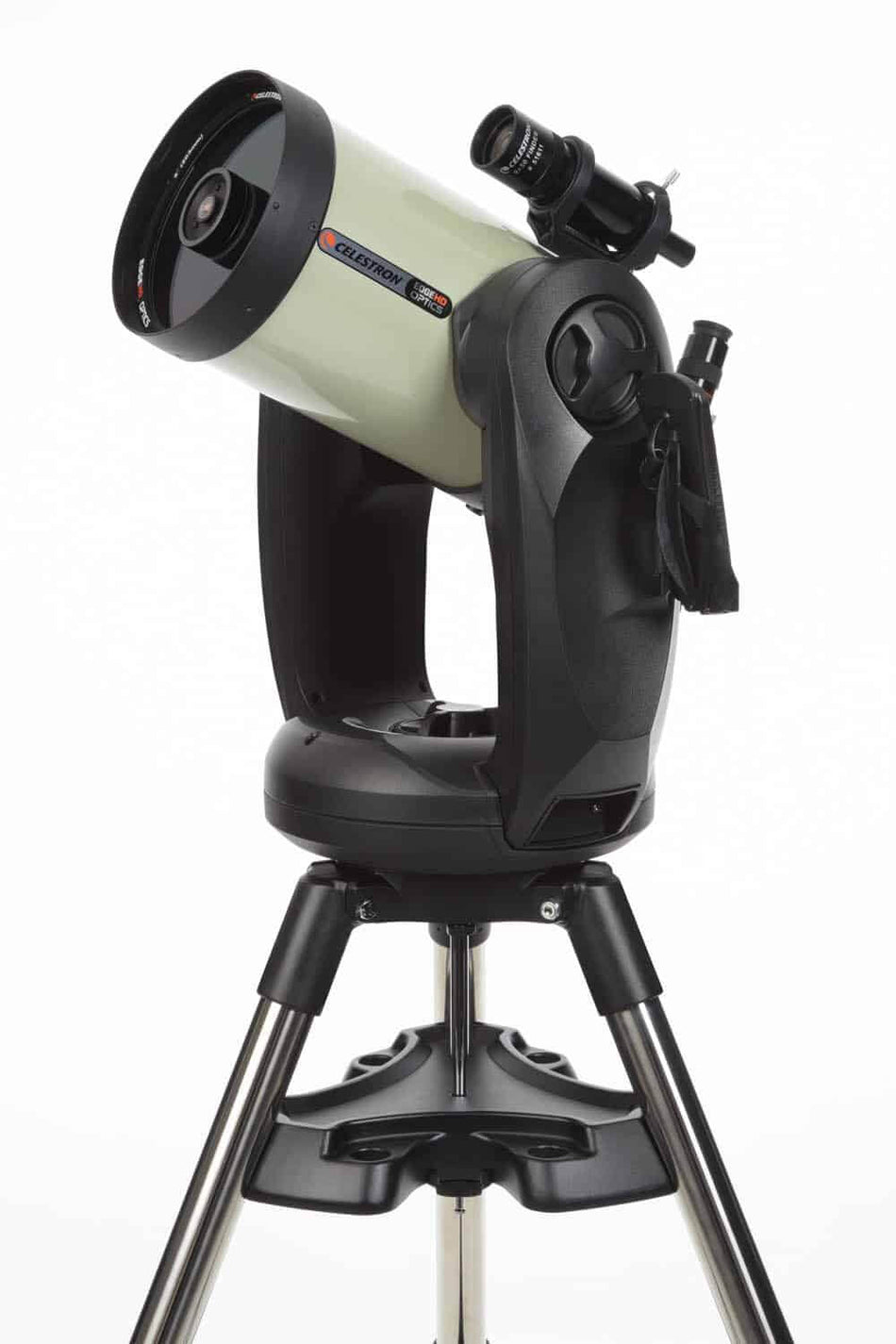
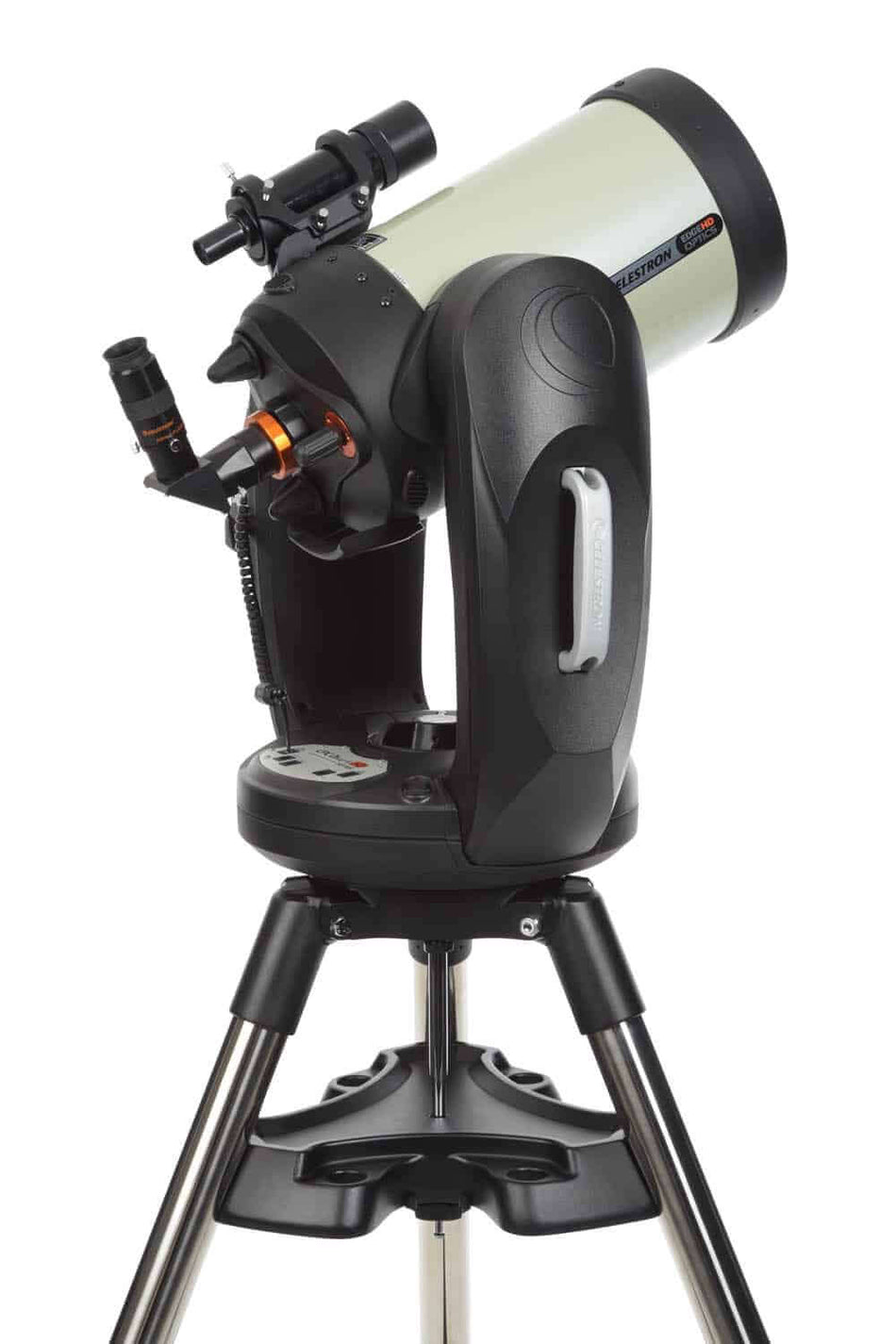
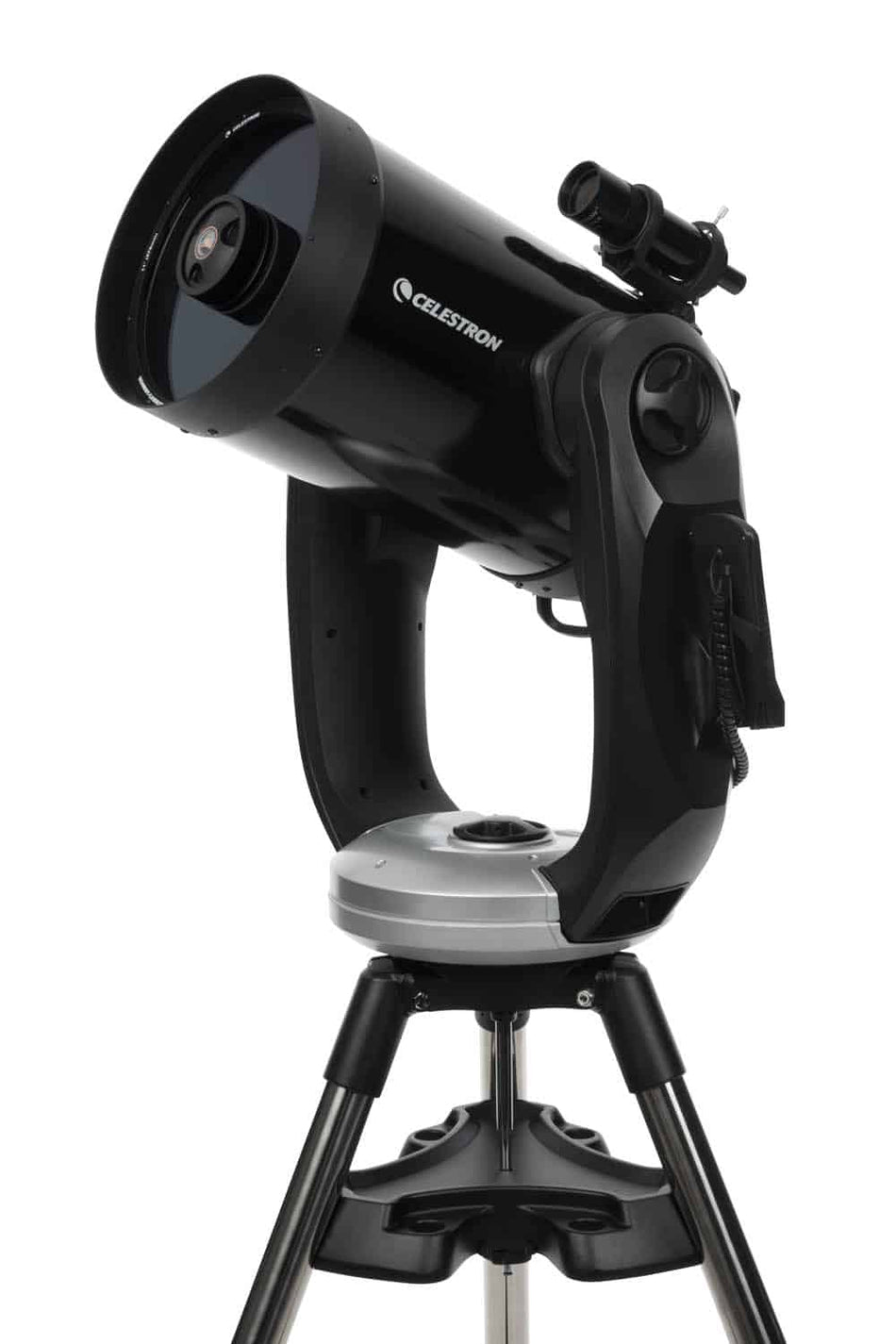
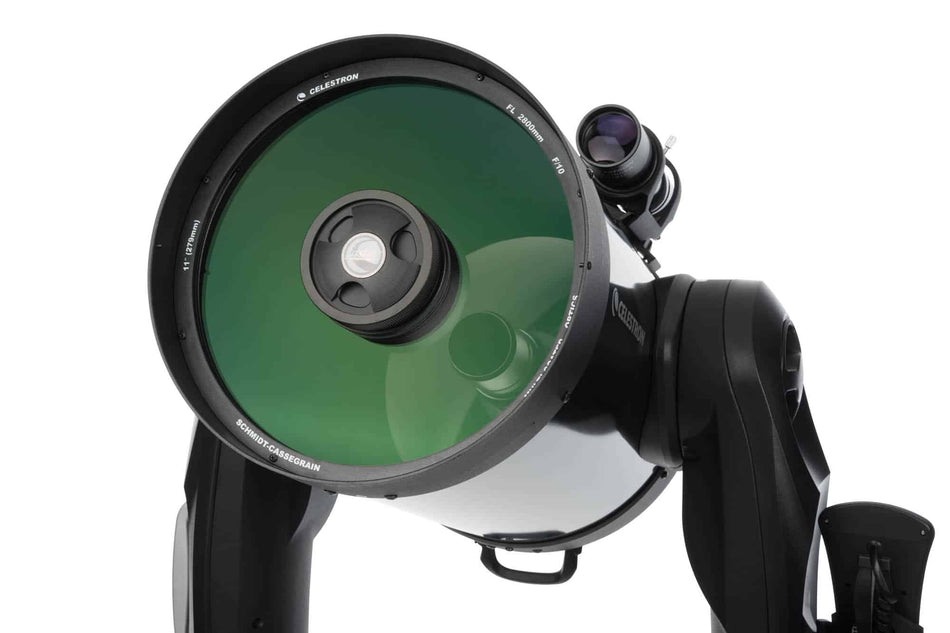
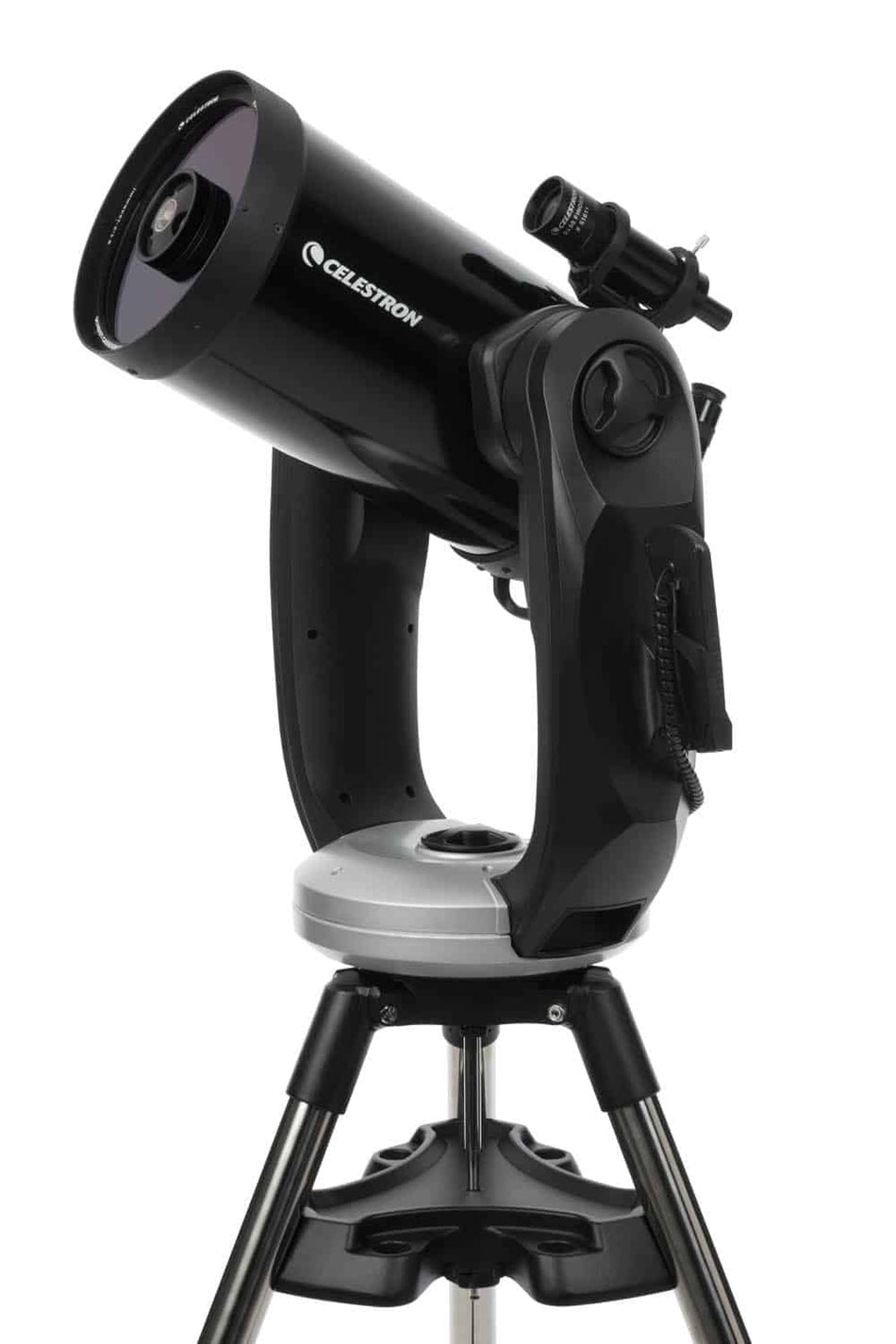
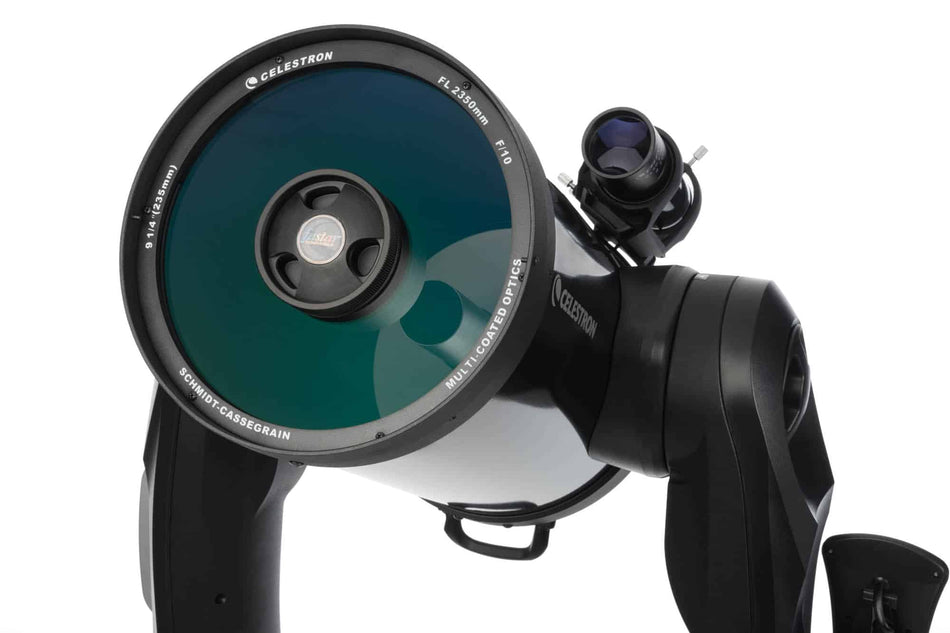
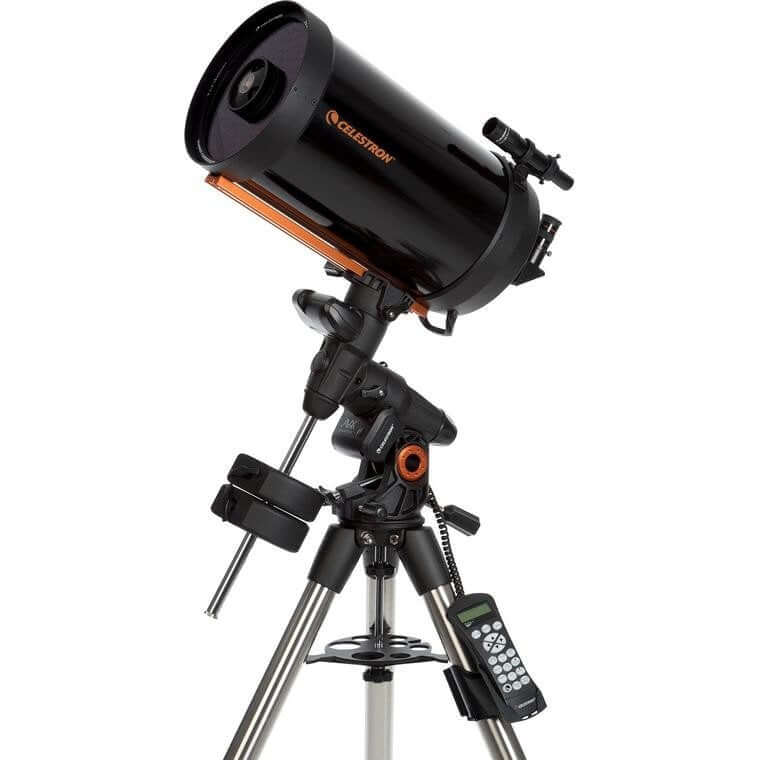
Complete Schmidt-Cassegrain telescopes are catadioptric telescopes designed to be compact and versatile, and are supplied complete with mount. Thanks to their long focal length in a short tube, they are suitable for both visual observing and astrophotography of the Solar System and many deep-sky objects.
- Ideal for: Moon, planets and compact deep-sky objects
- Main strengths: compact design, versatility, wide accessory compatibility
- Practical note: for deep-sky imaging, the mount is the key factor
Learn more: what a Schmidt-Cassegrain is and how to choose one
What is a Schmidt-Cassegrain telescope?
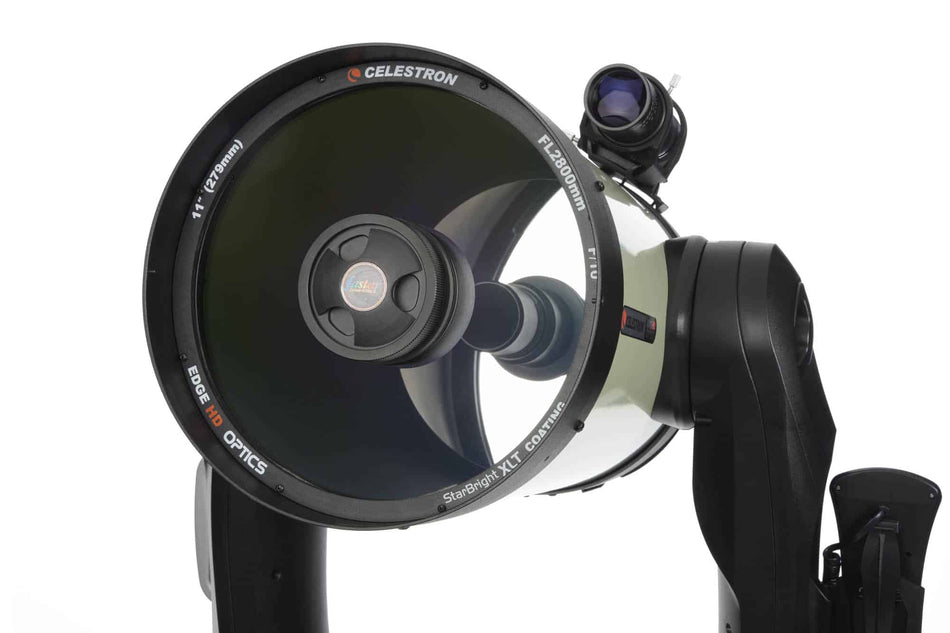
A Schmidt-Cassegrain combines mirrors with a corrector plate to achieve a long focal length in a very compact optical tube. This design is highly regarded for its versatility: visual observing, lunar and planetary imaging, and—when paired with a suitable mount and accessories— deep-sky astrophotography.
What it is best suited for
- Moon and planets: high detail and crisp views thanks to the long focal length.
- Deep sky: compact and bright targets such as star clusters and many galaxies.
- Compact setups: strong performance with minimal space requirements.
How to choose a complete Schmidt-Cassegrain telescope
- Aperture: determines resolution and light-gathering power.
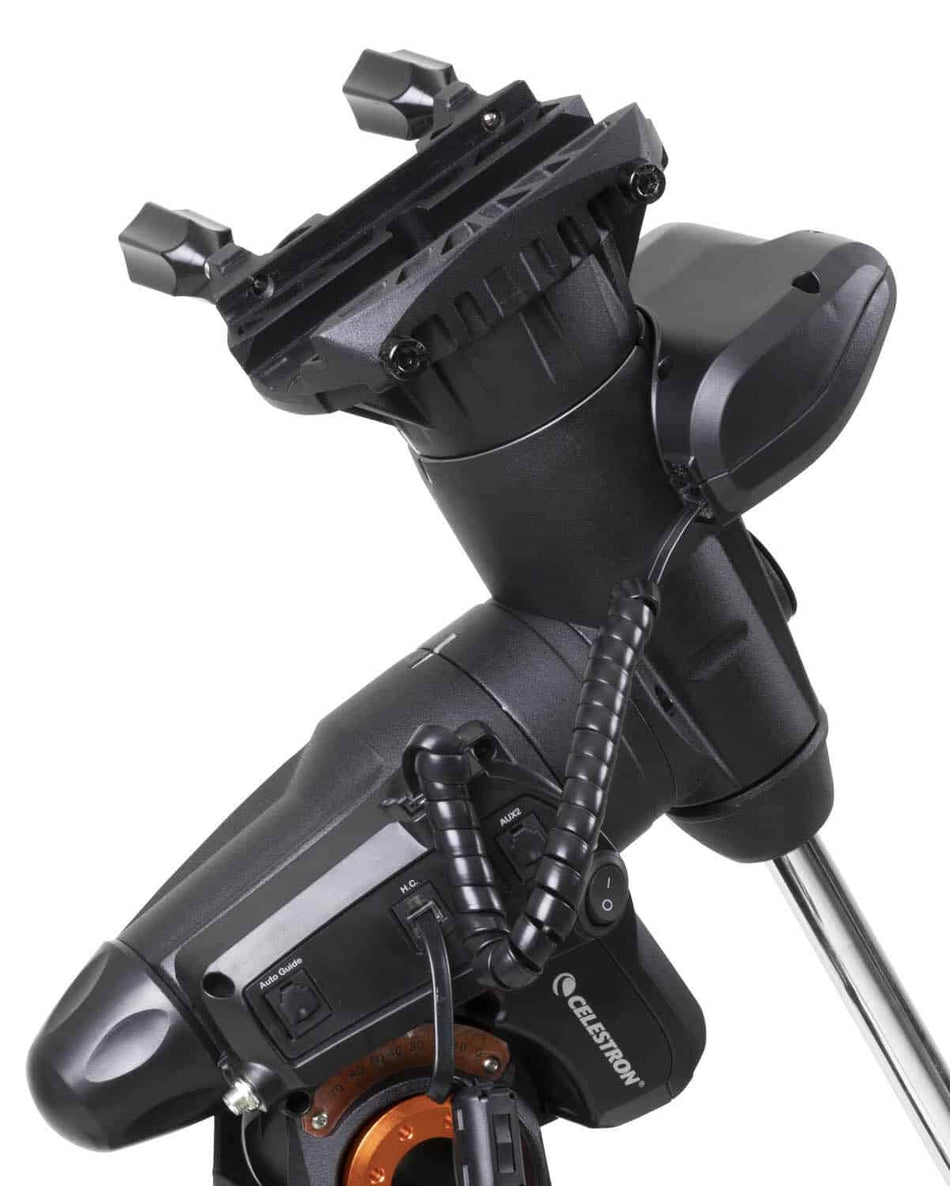
- Mount: critical for stability and tracking, especially for imaging.
- Accessories: diagonals, eyepieces and—when imaging—reducers/correctors (model dependent).
- Intended use: balcony or travel use, visual observing or imaging goals guide the choice.
Frequently asked questions (FAQ)
Is a Schmidt-Cassegrain suitable for beginners?
Yes, especially for those looking for a compact and versatile system. A stable mount and proper alignment are important.
Is it suitable for astrophotography?
It is often excellent for lunar and planetary imaging. Deep-sky performance mainly depends on the mount, tracking and accessories.
Does it require much maintenance?
Generally maintenance is minimal; collimation stability depends on the model and how it is transported.