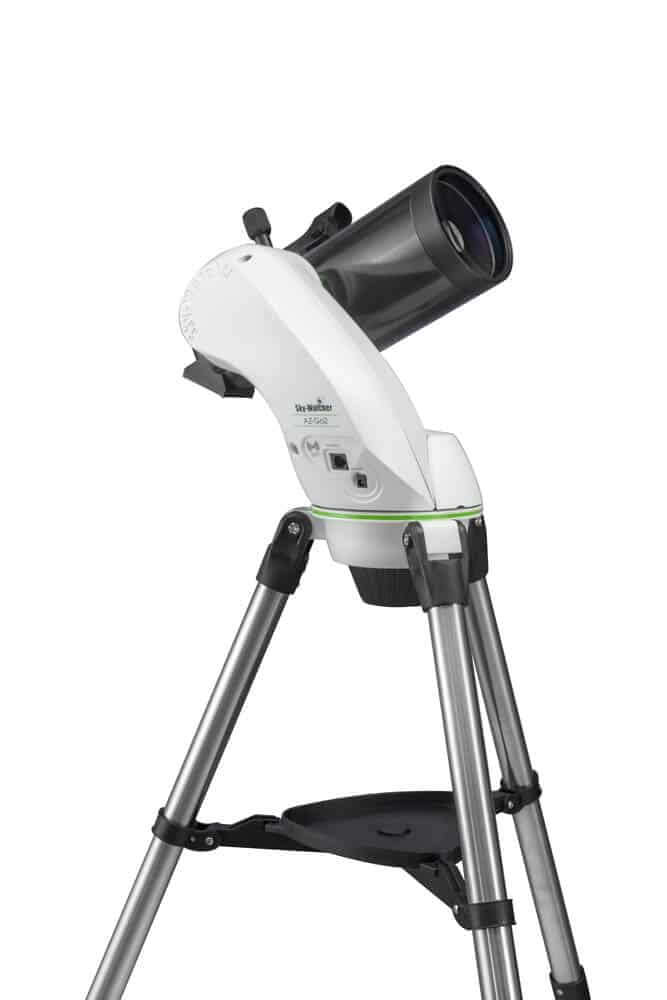
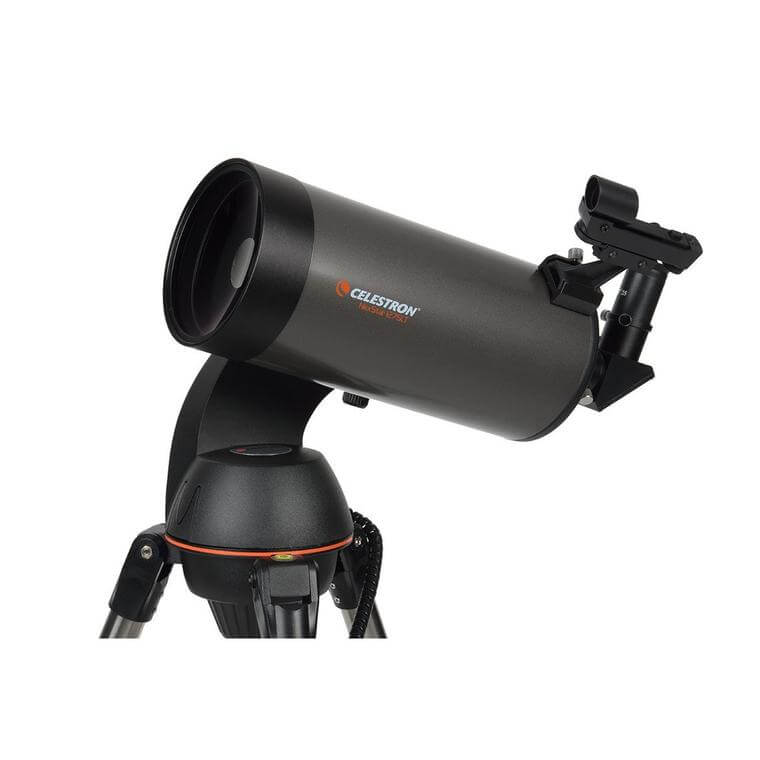
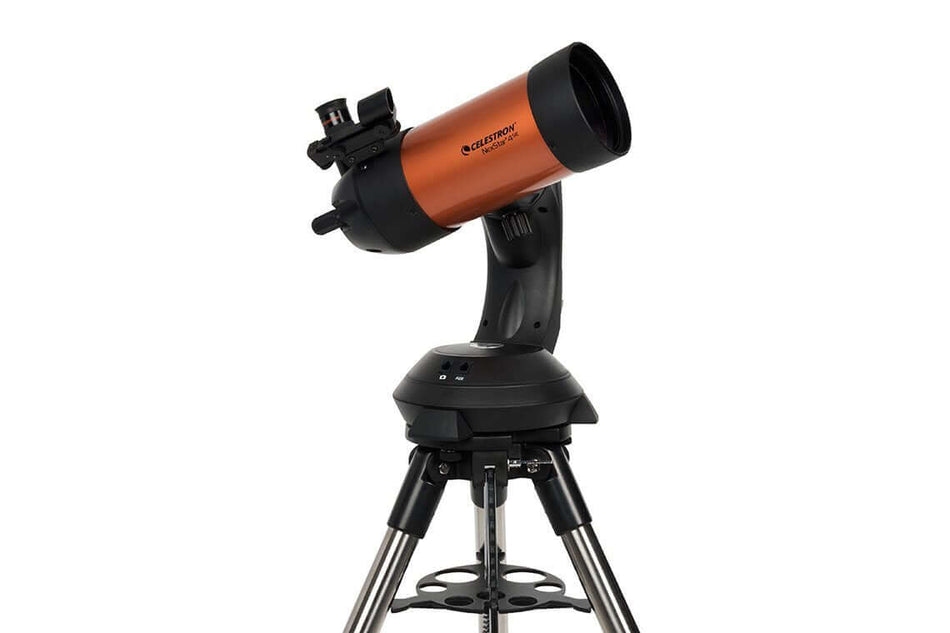
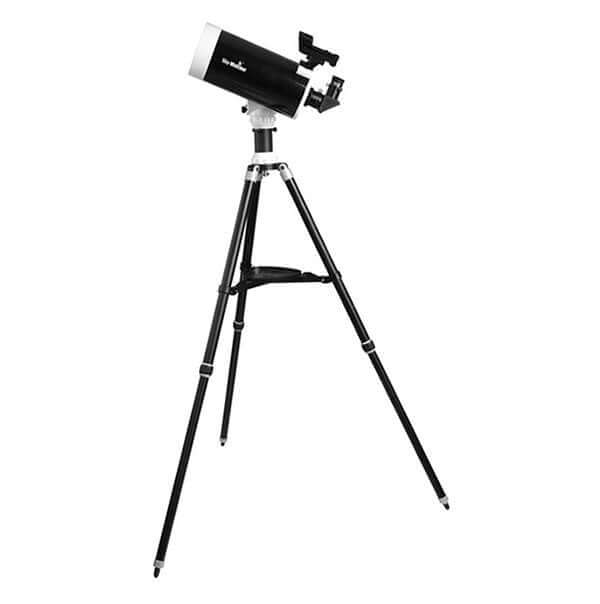
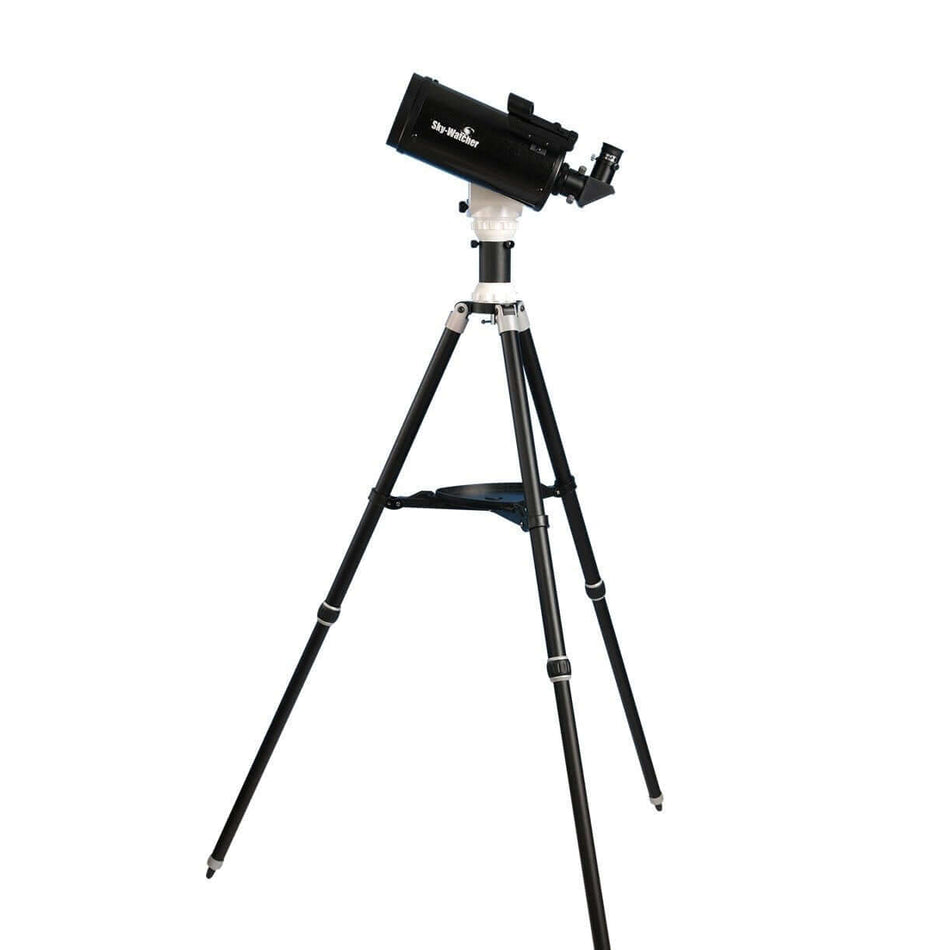
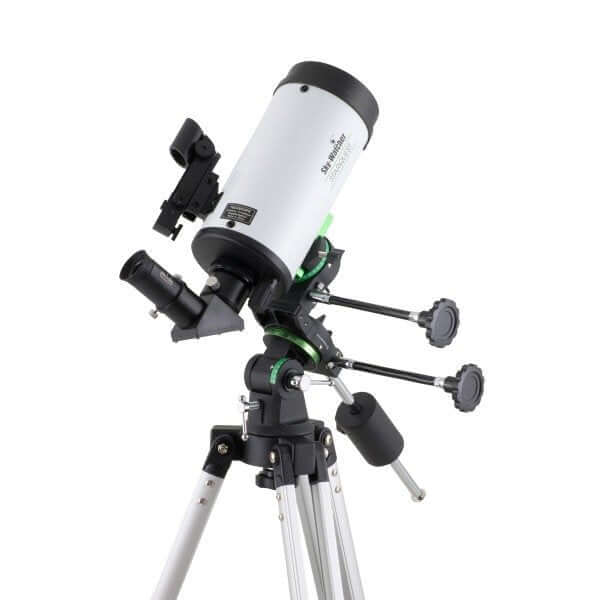
Complete Maksutov telescopes are catadioptric telescopes known for their
compact size, long focal lengths and high-contrast views.
They are especially well suited to observing the Moon and the planets,
particularly when space and portability are important.
- Ideal for: Moon, planets and double stars
- Main strengths: compact design, high contrast, low maintenance
- Practical note: less suitable for wide fields and large, extended deep-sky objects
Learn more: what a Maksutov is and how to choose one
What is a Maksutov telescope?
A Maksutov-Cassegrain telescope combines mirrors with a
corrector plate to achieve a long focal length in a very compact tube.
This design delivers sharp, high-contrast images with good correction of optical aberrations,
which is why it is highly regarded for planetary observing.
What it is best suited for
- Moon: detailed views of craters, relief and the lunar terminator.
- Planets: crisp, high-contrast views of Jupiter, Saturn and Mars.
- Balcony observing: compact footprint and straightforward operation.
How to choose a complete Maksutov telescope
- Aperture: affects resolution and image brightness.
- Long focal length: ideal for higher magnifications without extreme eyepieces.
- Mount: even compact scopes benefit from a stable mount to make the most of their contrast.
- Field of view: generally narrower than with other optical designs.
Frequently asked questions (FAQ)
Is a Maksutov telescope suitable for beginners?
Yes. Maksutov telescopes are easy to use, require little maintenance, and deliver very satisfying Moon and planetary views.
Do I need to collimate it?
Usually no, or only very rarely, because the optical system is stable and well sealed.
Is it good for deep-sky observing?
It can work well on compact, bright objects, but it is not the ideal choice for large nebulae or wide-field views.

 -3%
-3%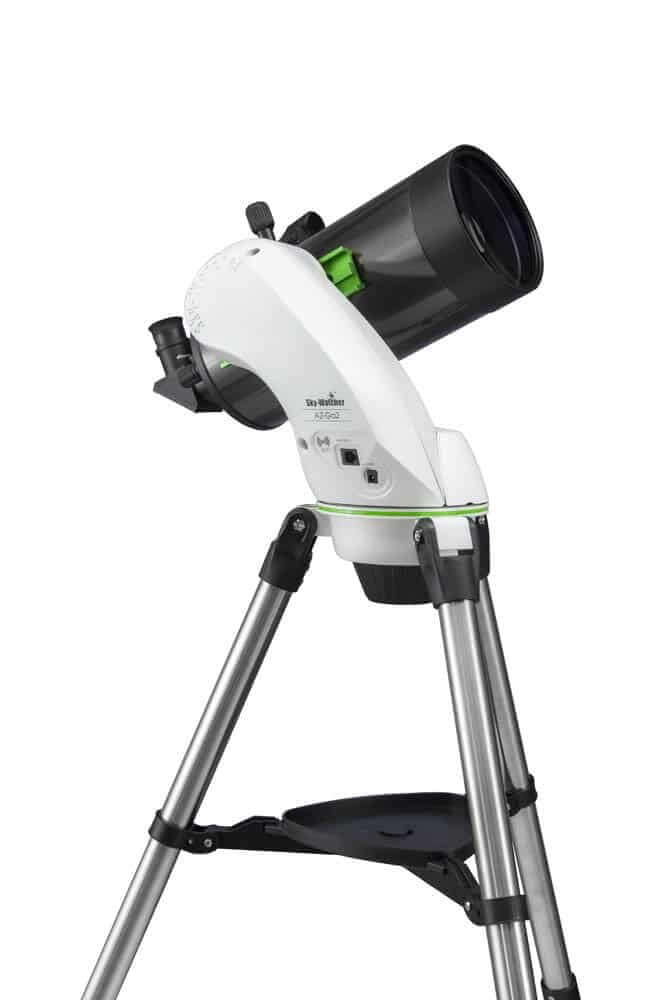 -3%
-3%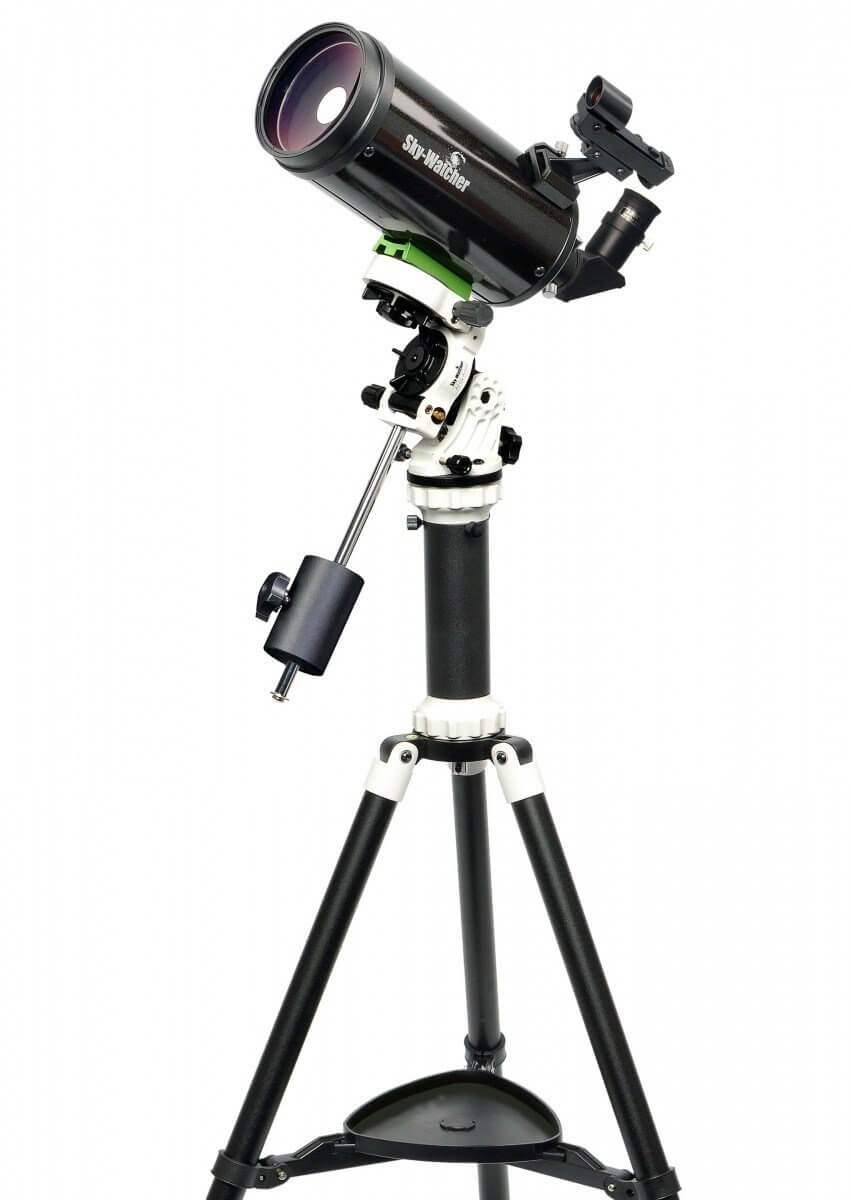 -3%
-3%


 -3%
-3%
 -13%
-13%
 -3%
-3%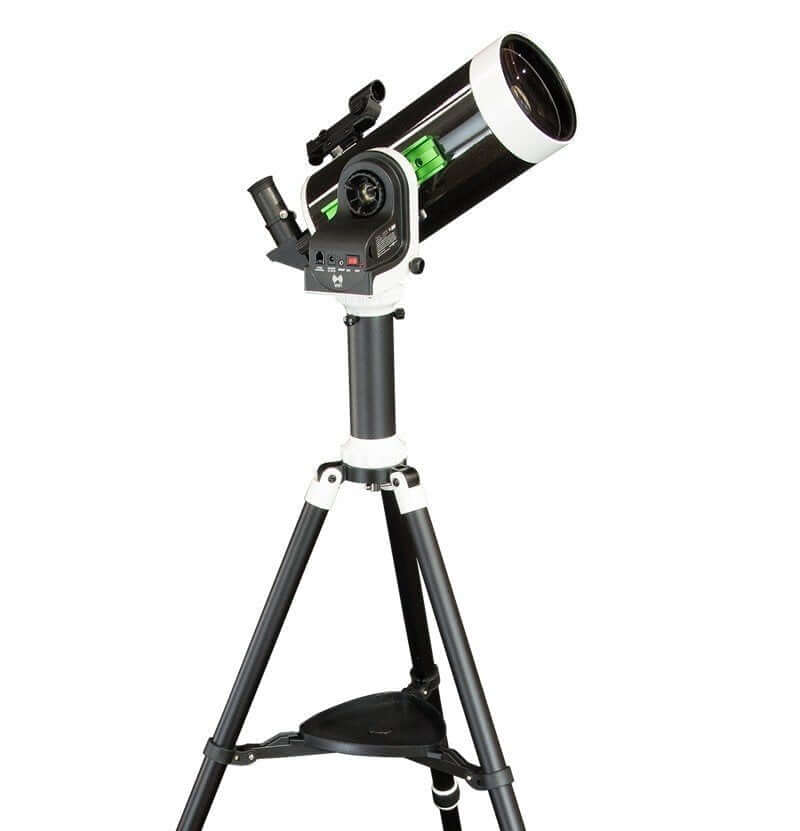
 -5%
-5%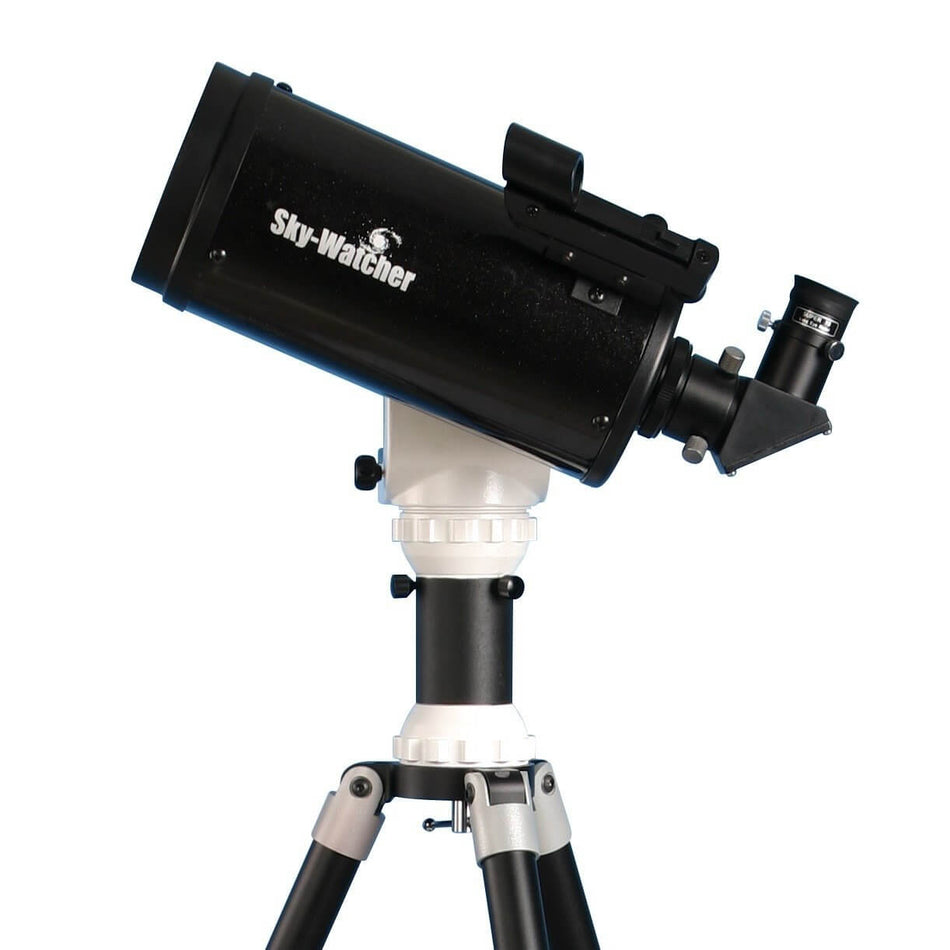
 -14%
-14%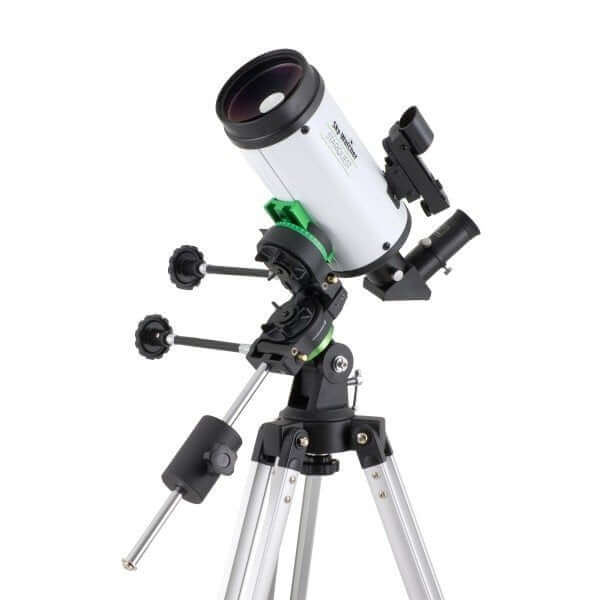
 -3%
-3%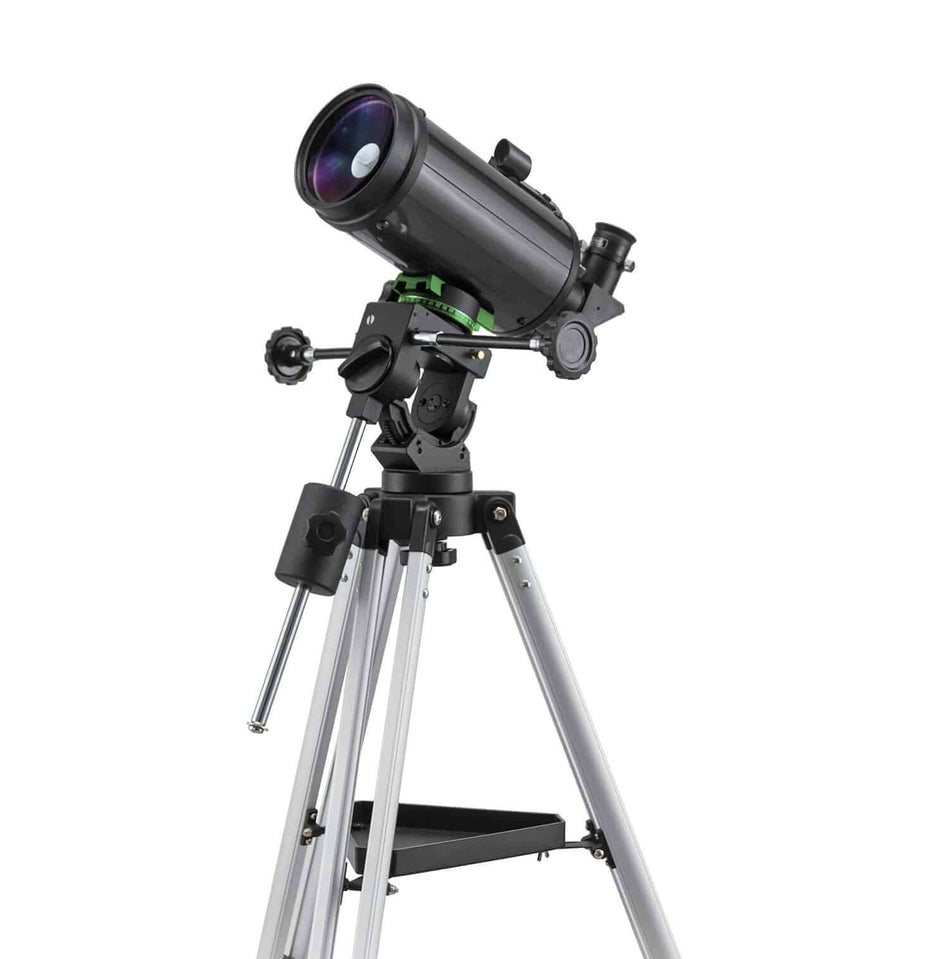 -3%
-3%


