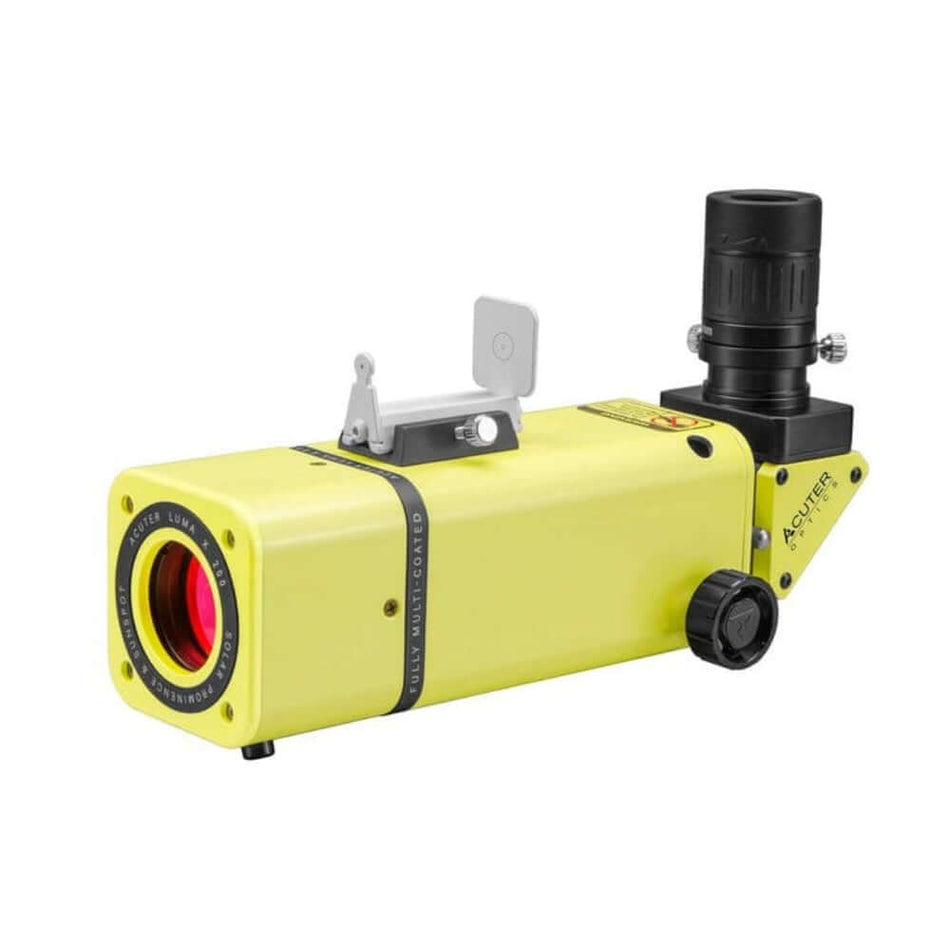
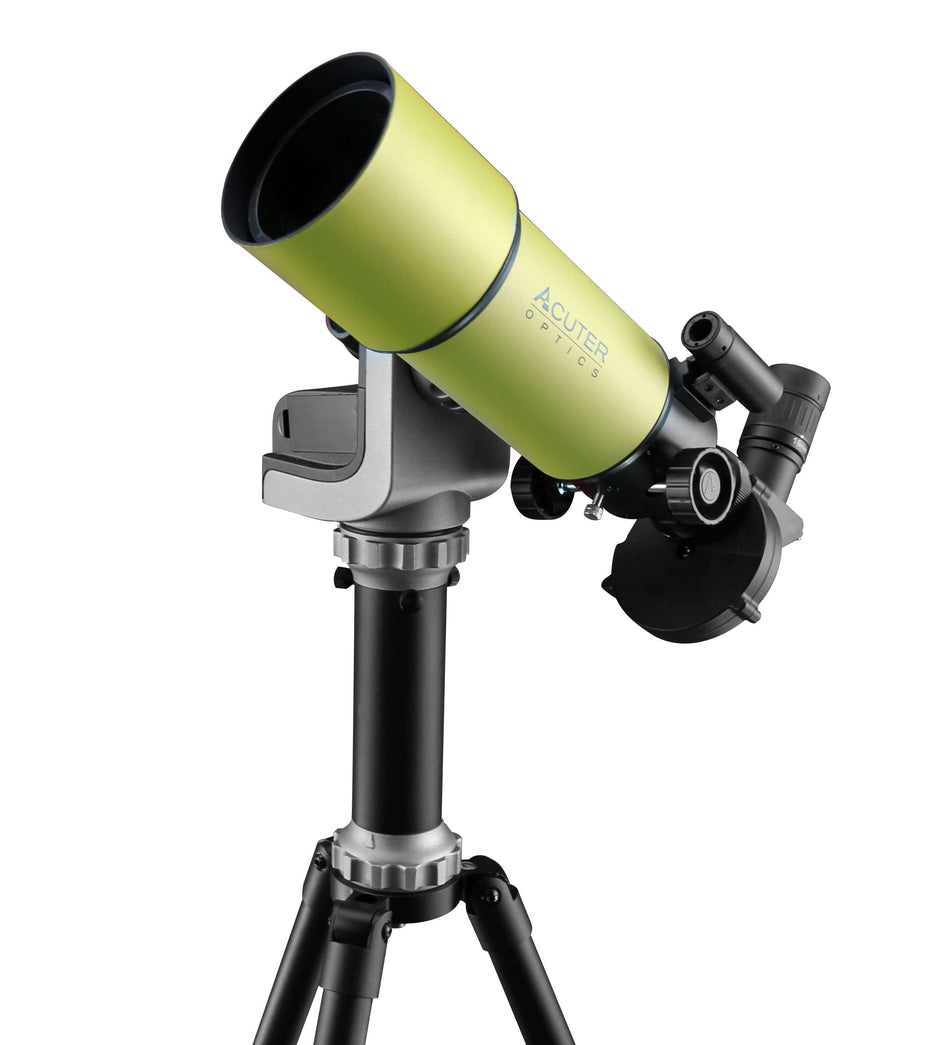
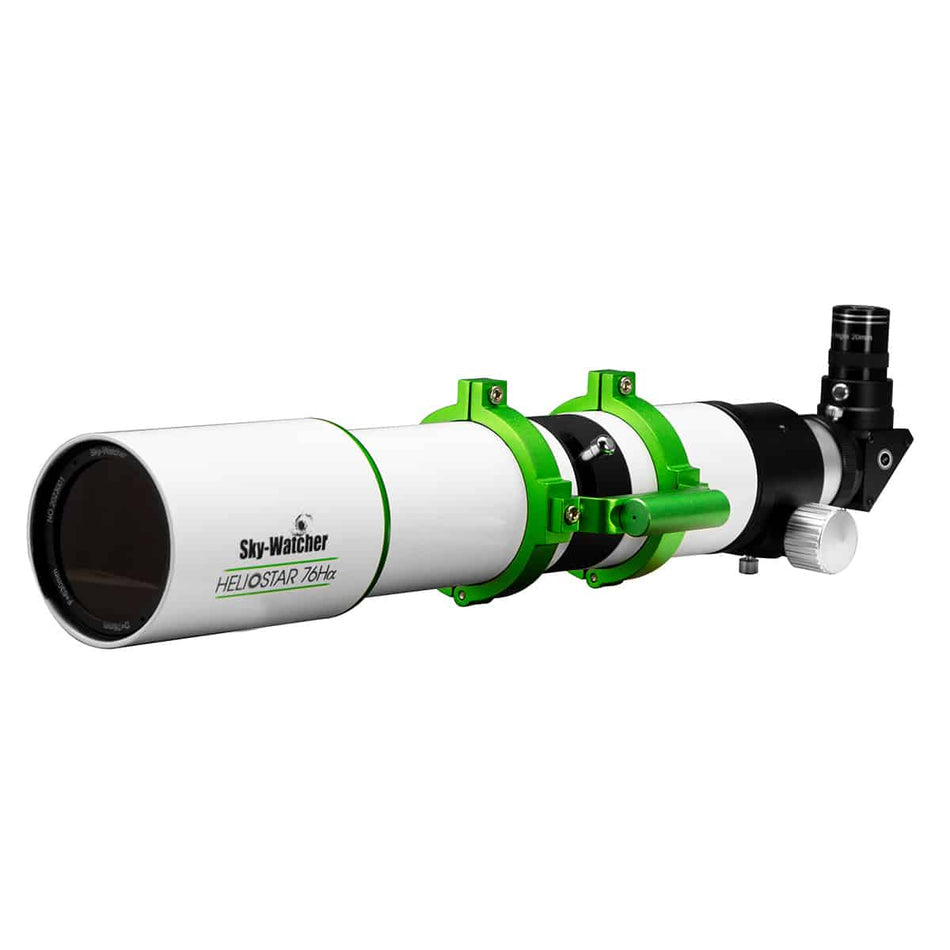
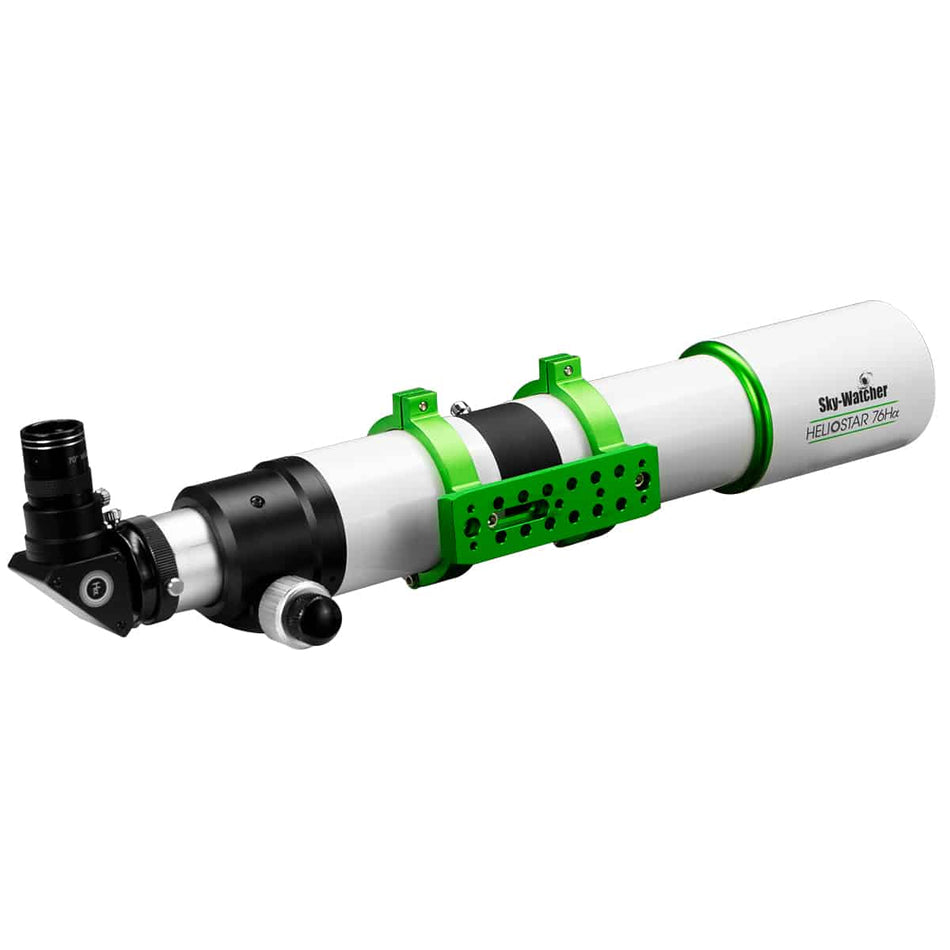
The solar telescope tube is an instrument designed exclusively for observing the Sun, built around integrated filter systems that make viewing our star both safe and highly detailed. Unlike universal telescopes fitted with external solar filters, dedicated solar tubes incorporate specific filtering technologies — in particular the narrow-band H-alpha filter and the Calcium K filter — that reveal structures otherwise invisible to the eye: prominences, filaments, granulation and active regions of the chromosphere.
Dedicated solar telescopes are defined primarily by their observation wavelength. H-alpha models (656.3 nm) show the solar chromosphere with prominences at the limb and filaments across the disk. Calcium K models (393.4 nm) reveal the structure of plages and active regions in a complementary way. Both categories require an internal or external etalon with a passband measured in Ångströms: the narrower the bandwidth, the higher the contrast and the finer the chromospheric detail visible.
Dedicated solar tube or solar filter on a universal telescope? How to choose
A white light solar filter fitted to a standard telescope allows observation of sunspots in full integrated light: safe and affordable, but limited to the photosphere. A dedicated H-alpha solar telescope — such as those from Lunt or Coronado — adds the chromosphere, prominences and filaments, opening up a world of dynamic detail that is completely inaccessible in white light.
The choice depends on your goals: observers who want to study sunspots and photospheric structures on a modest budget can opt for a quality white light filter. Those seeking full chromospheric observation, real-time prominences and the highest level of solar detail should invest in an H-alpha tube — an instrument that no standard external filter can replicate.
When to choose a dedicated solar telescope tube:
- You want to observe prominences, filaments and active regions in H-alpha or Calcium K
- You need a safe, ready-to-use instrument optimised for the Sun
- You want to photograph or video the solar chromosphere
- You are building a systematic solar observation setup

 SEPTEMBER 2026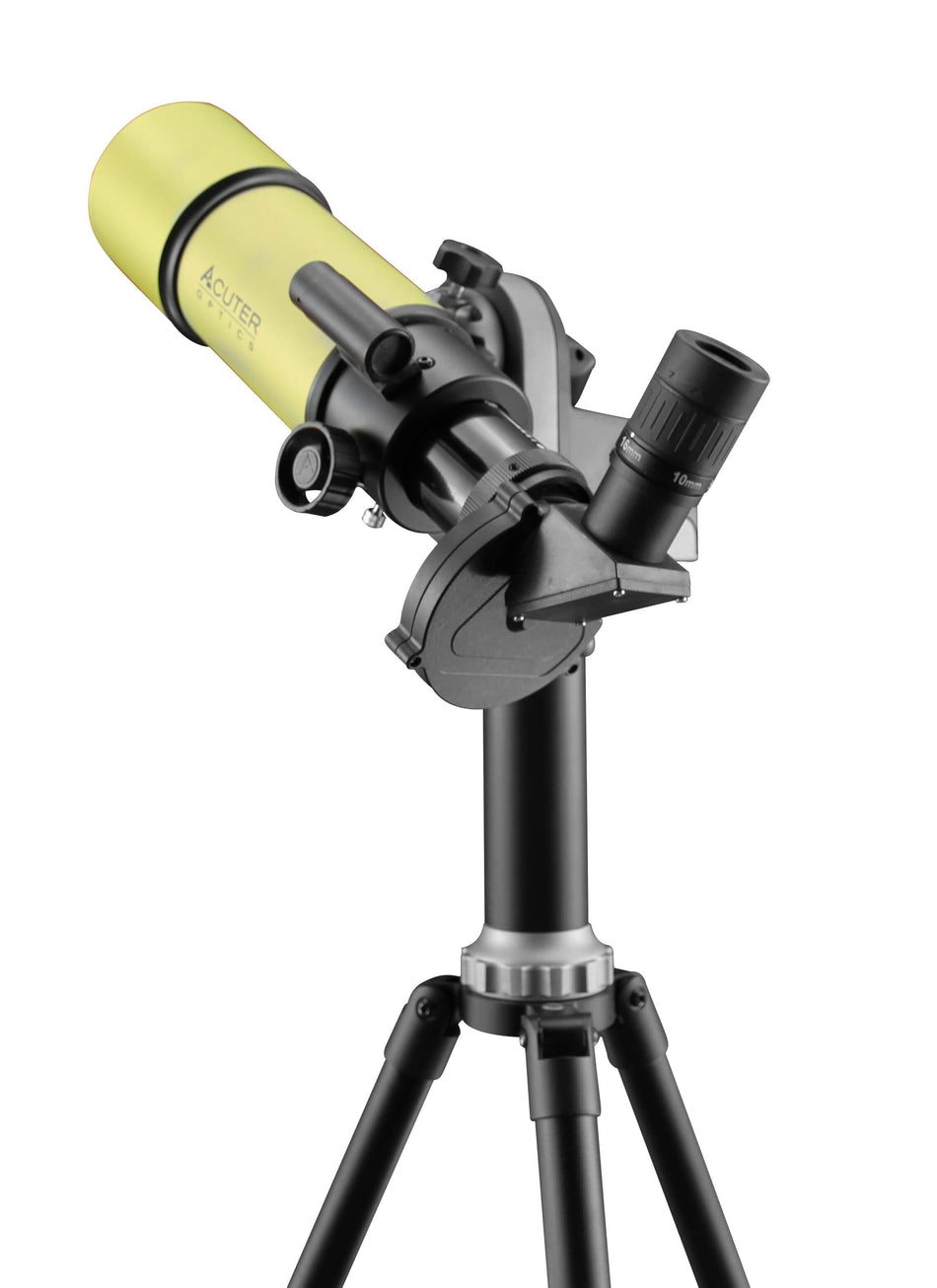
 -8%
-8%
 -3%
-3%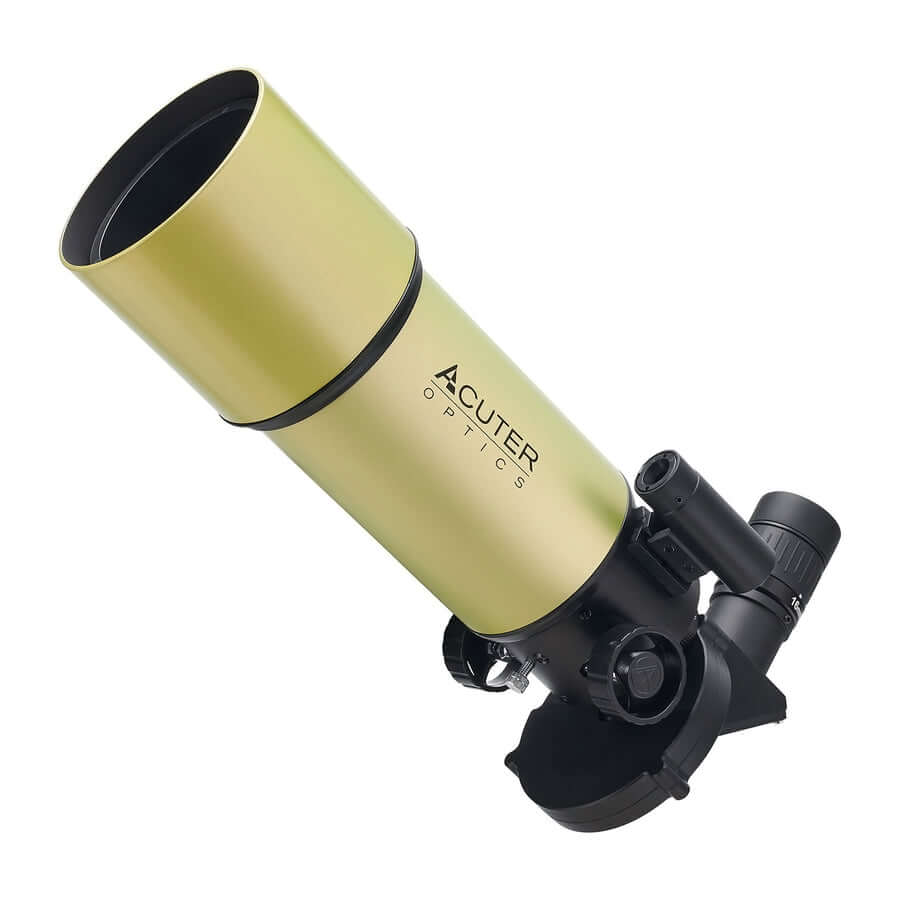
 -3%
-3%


