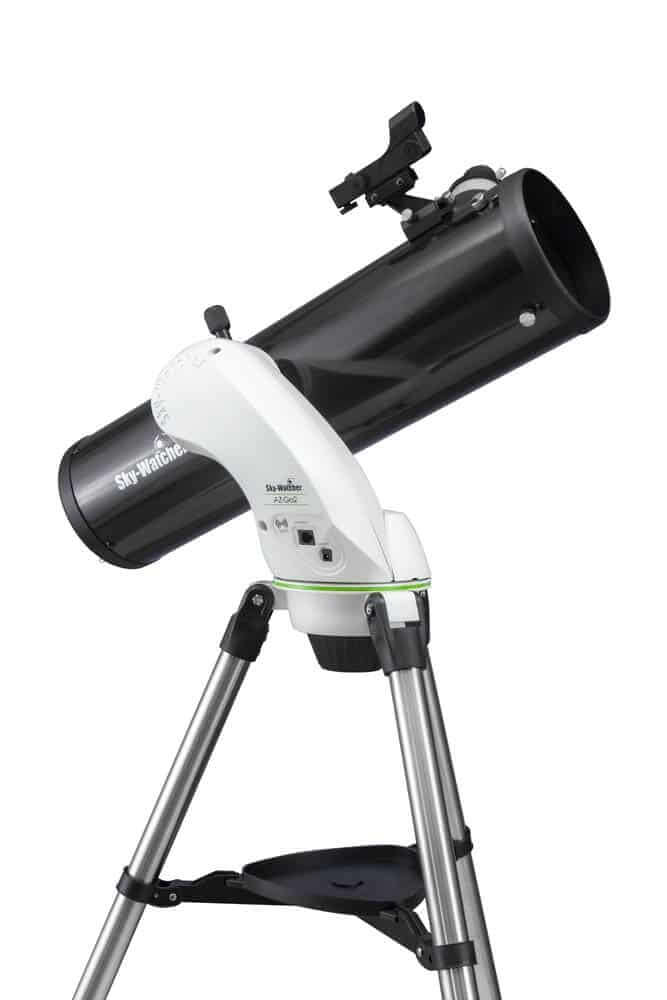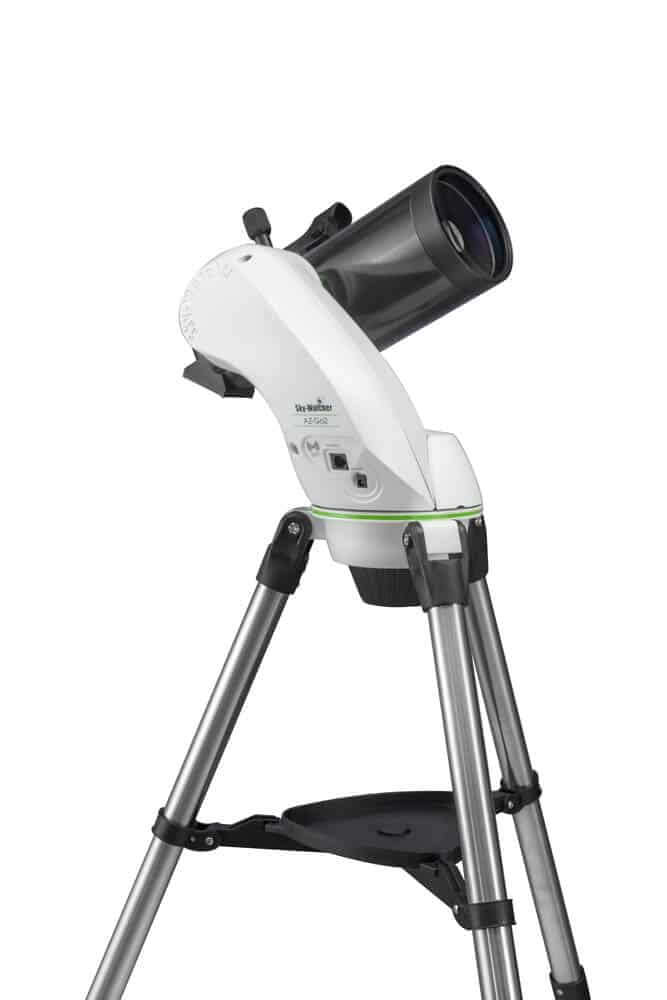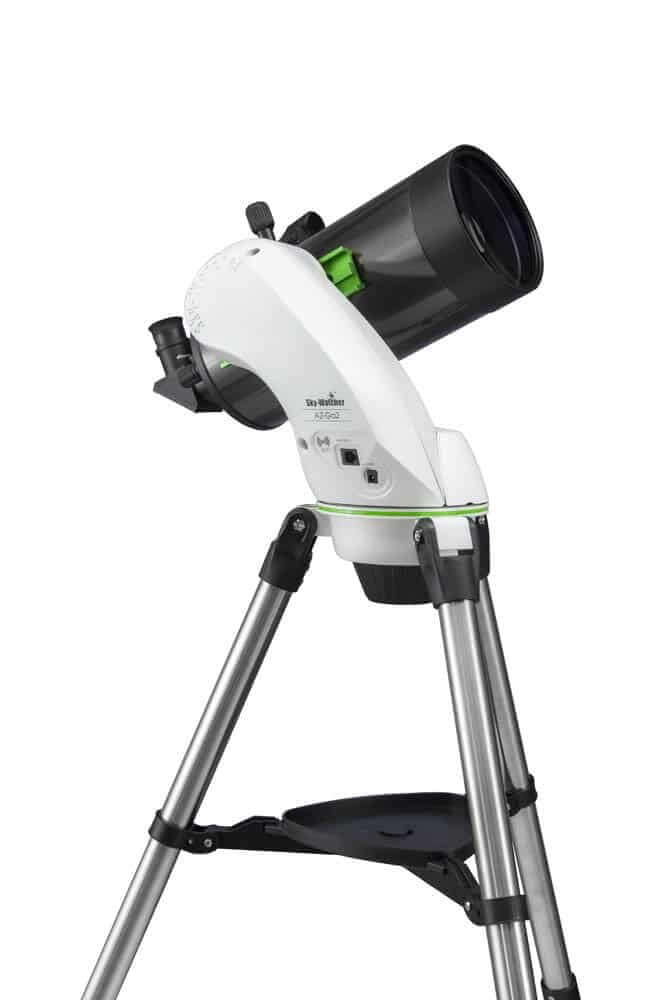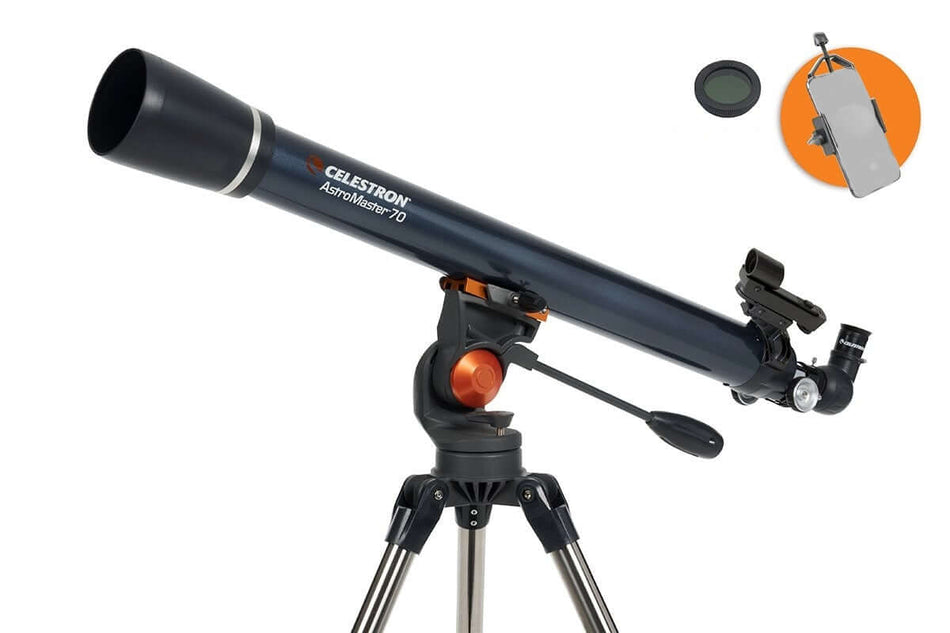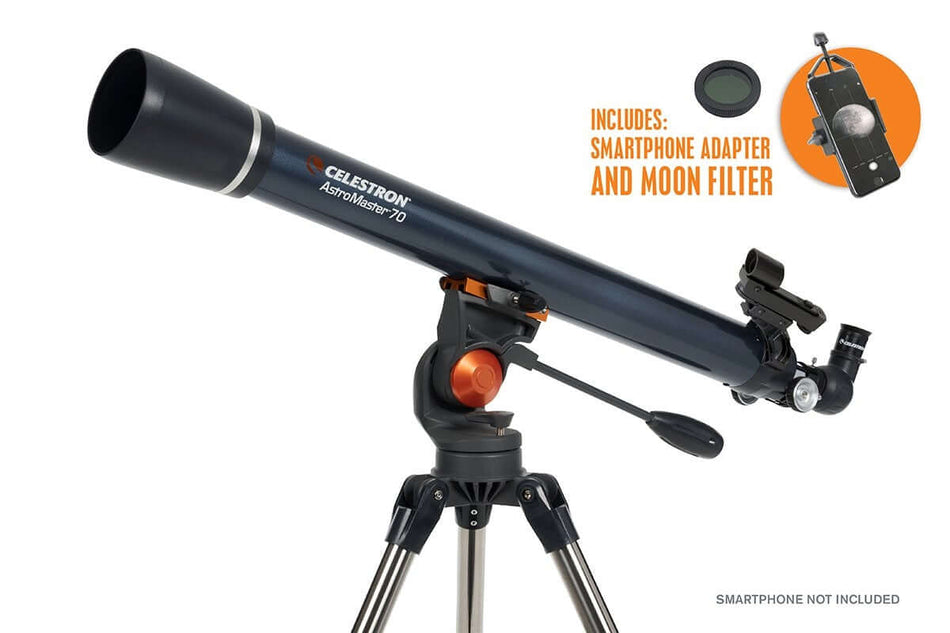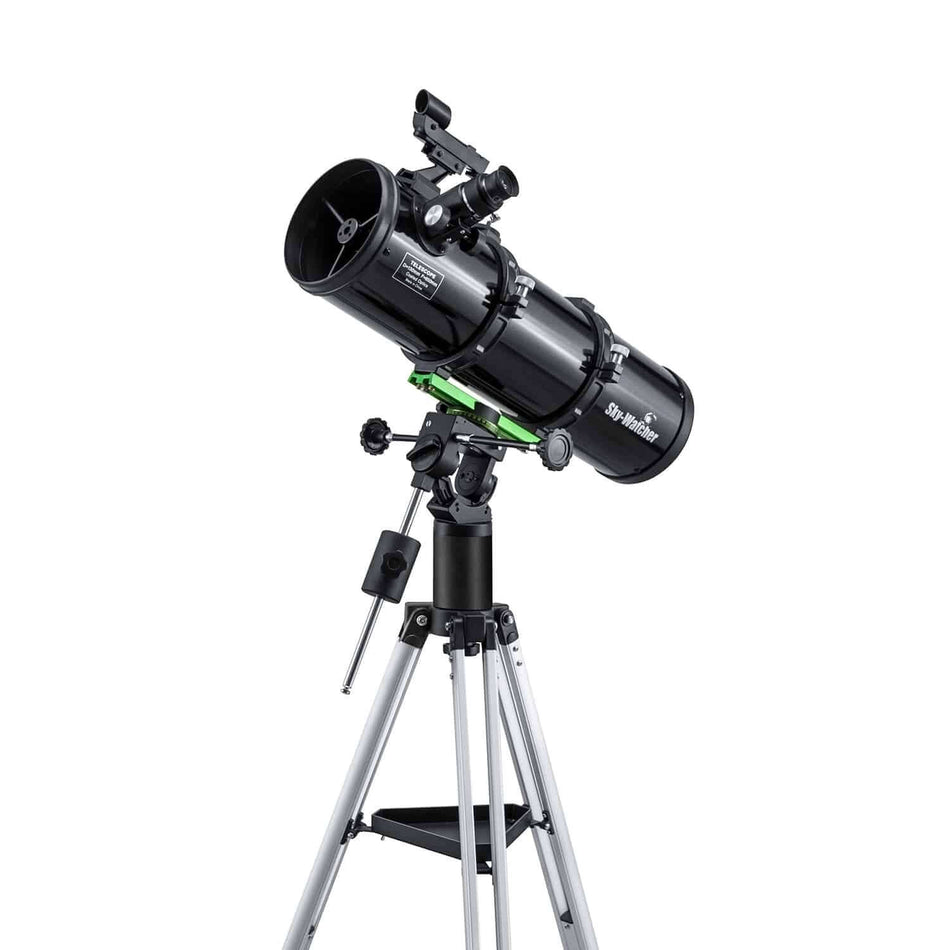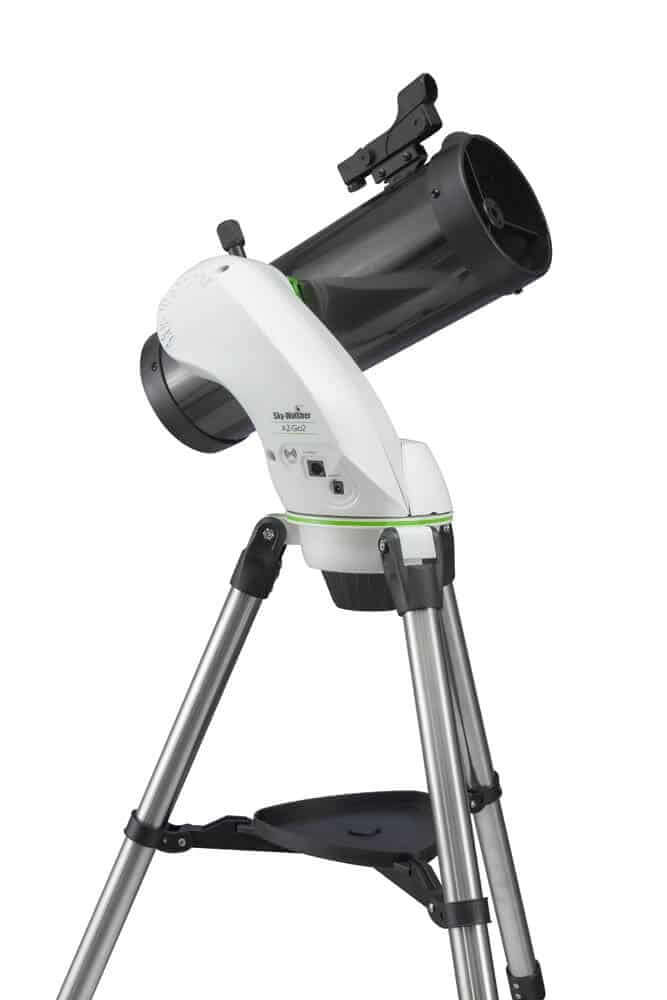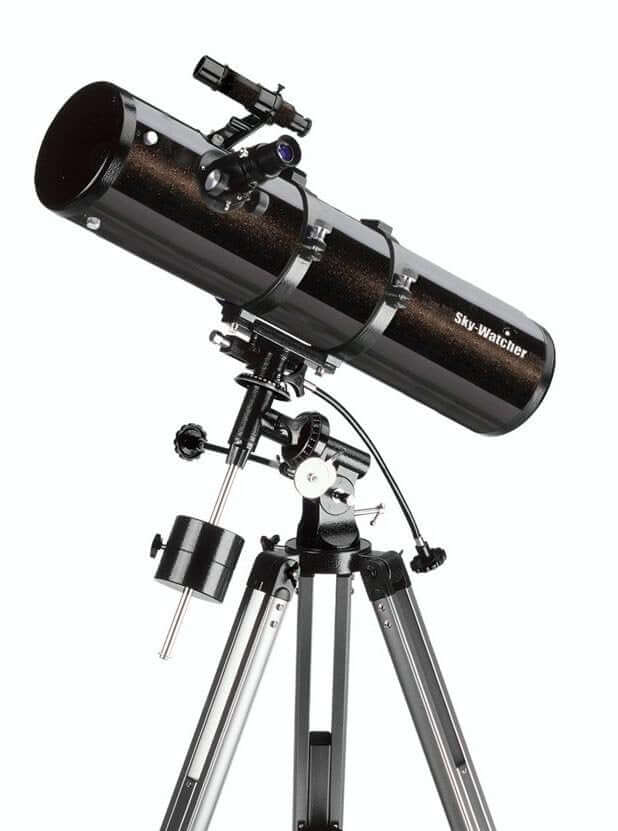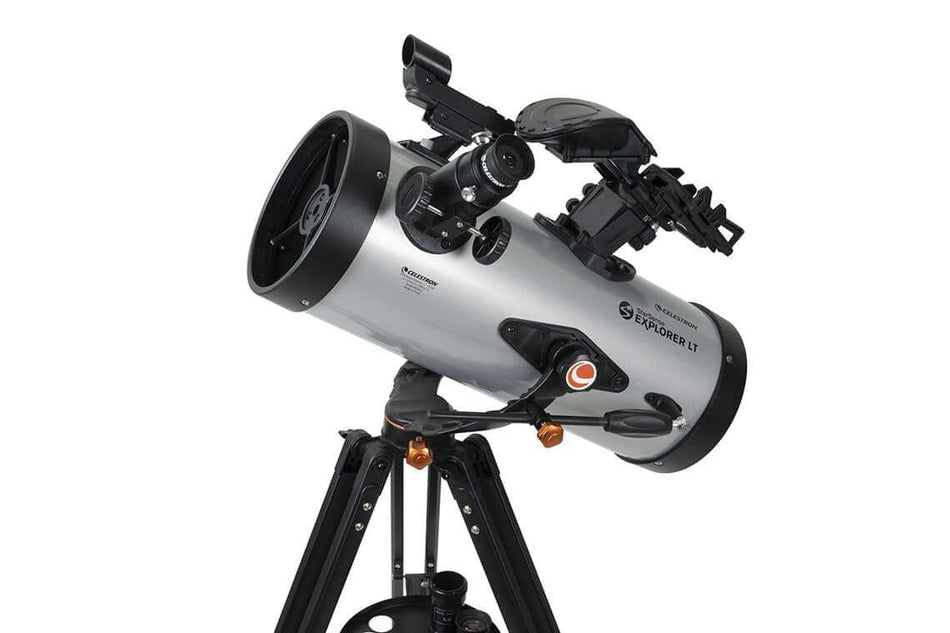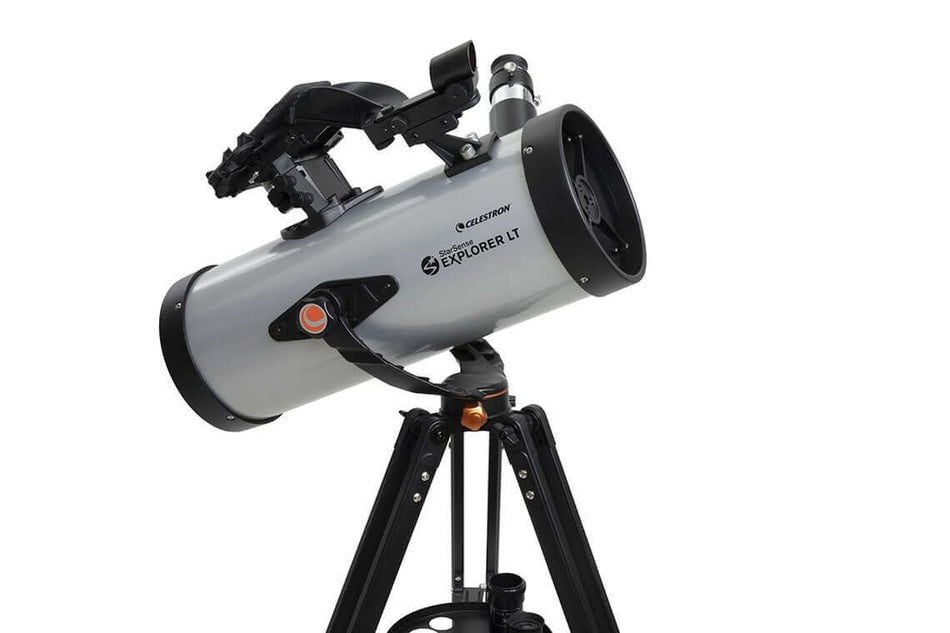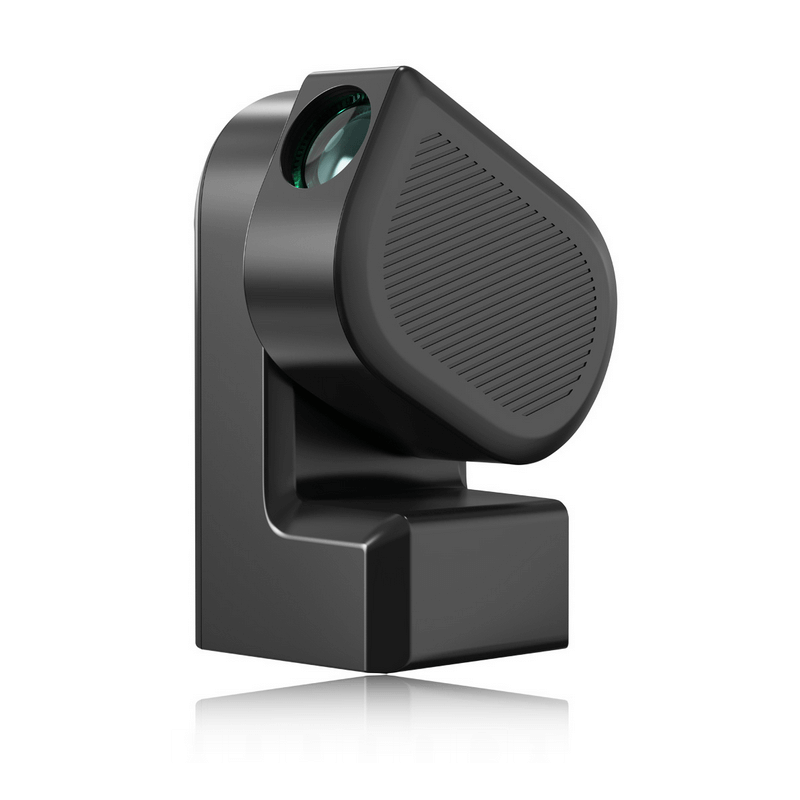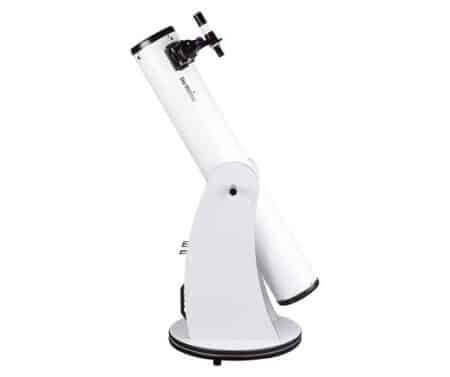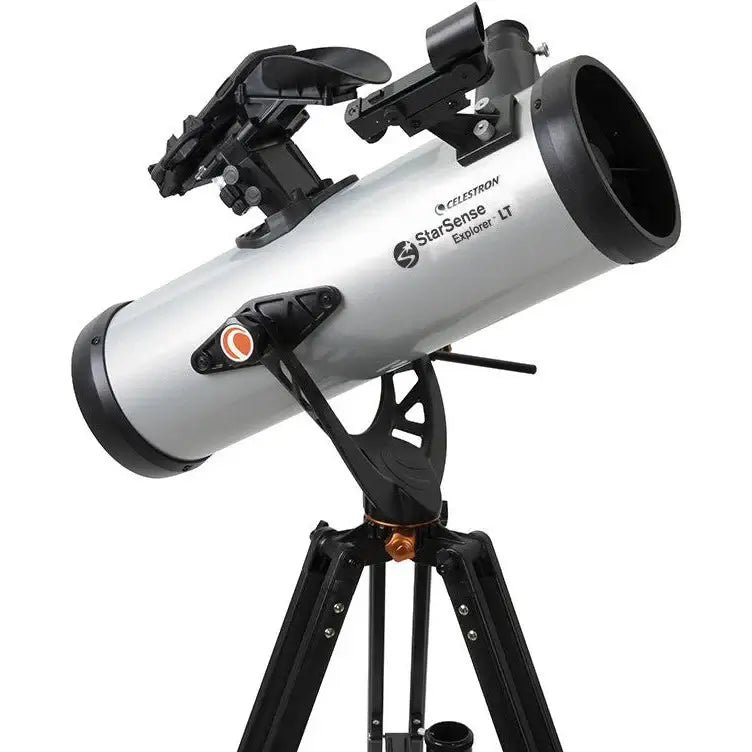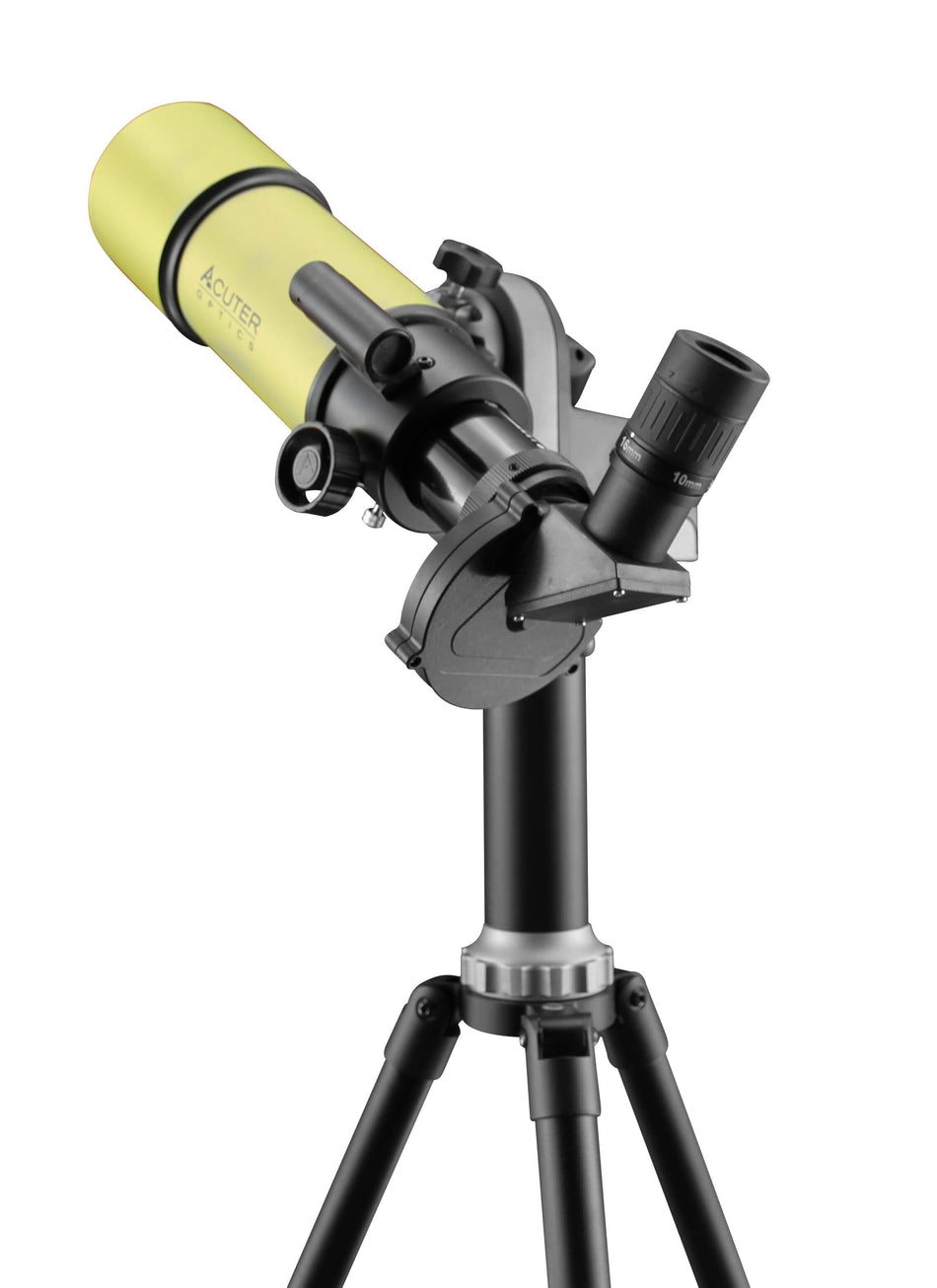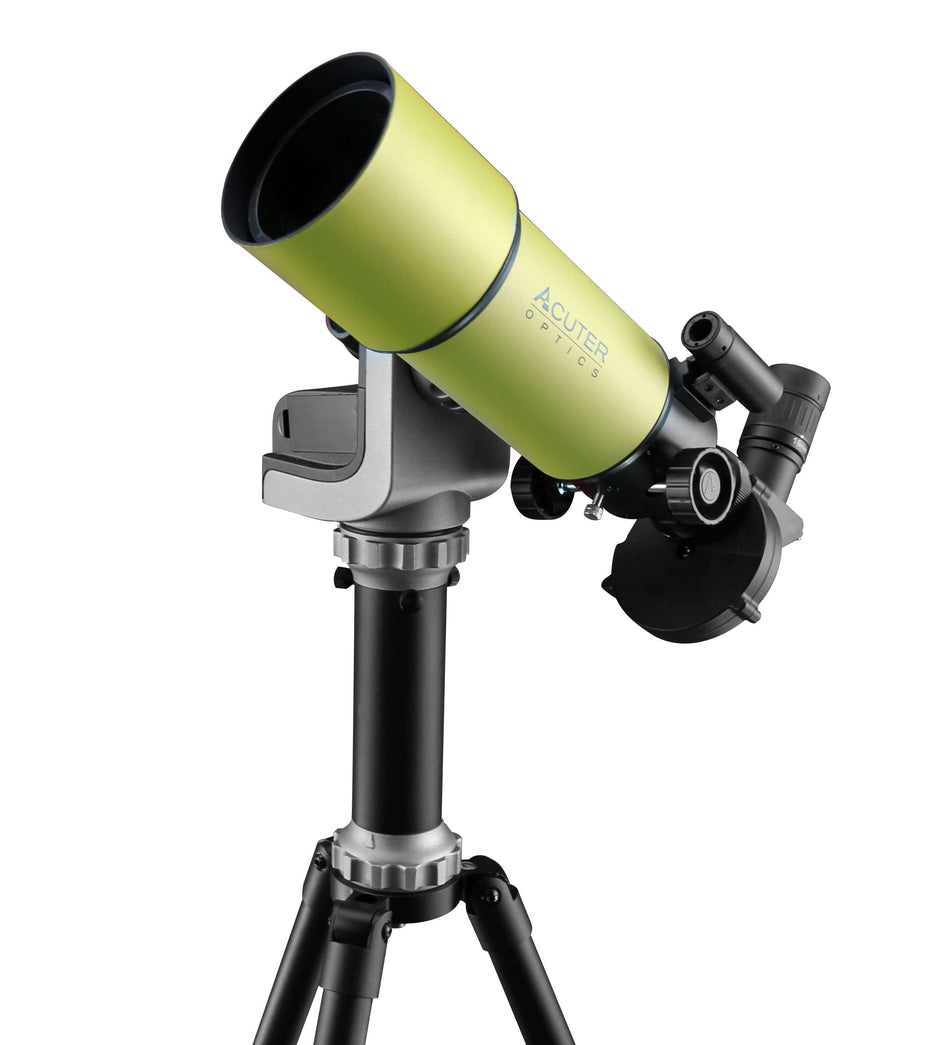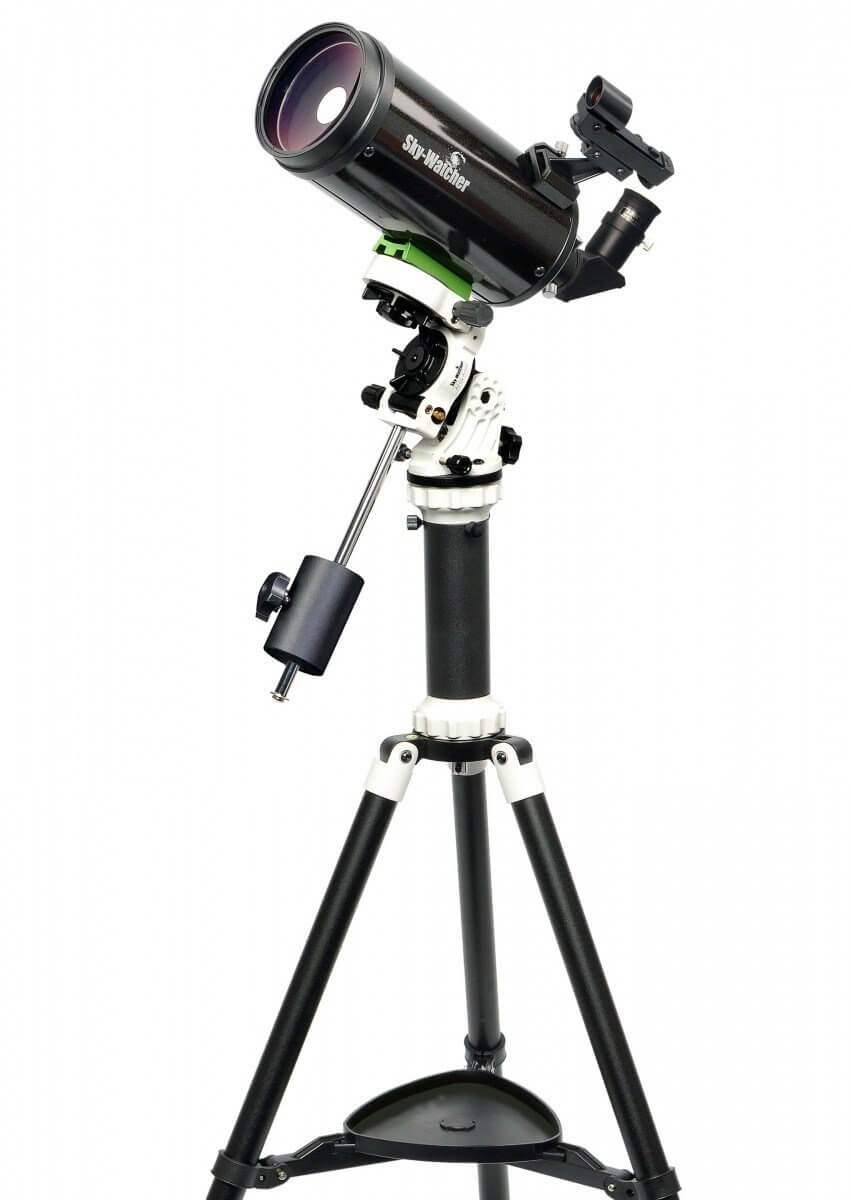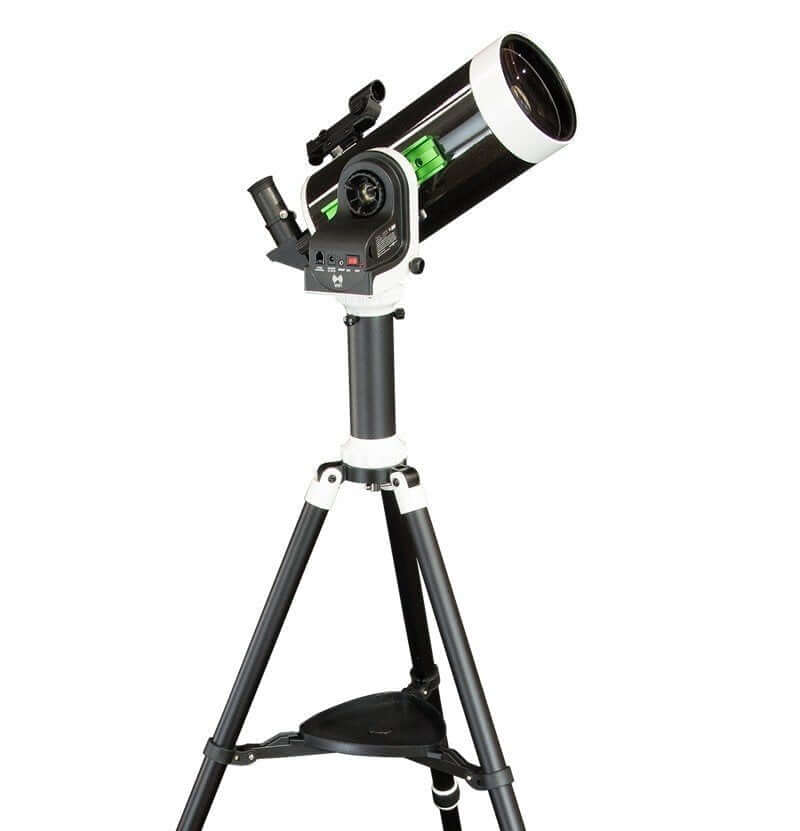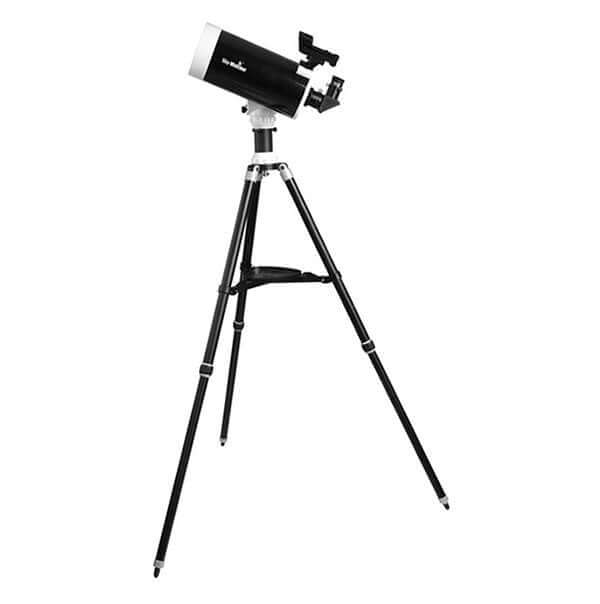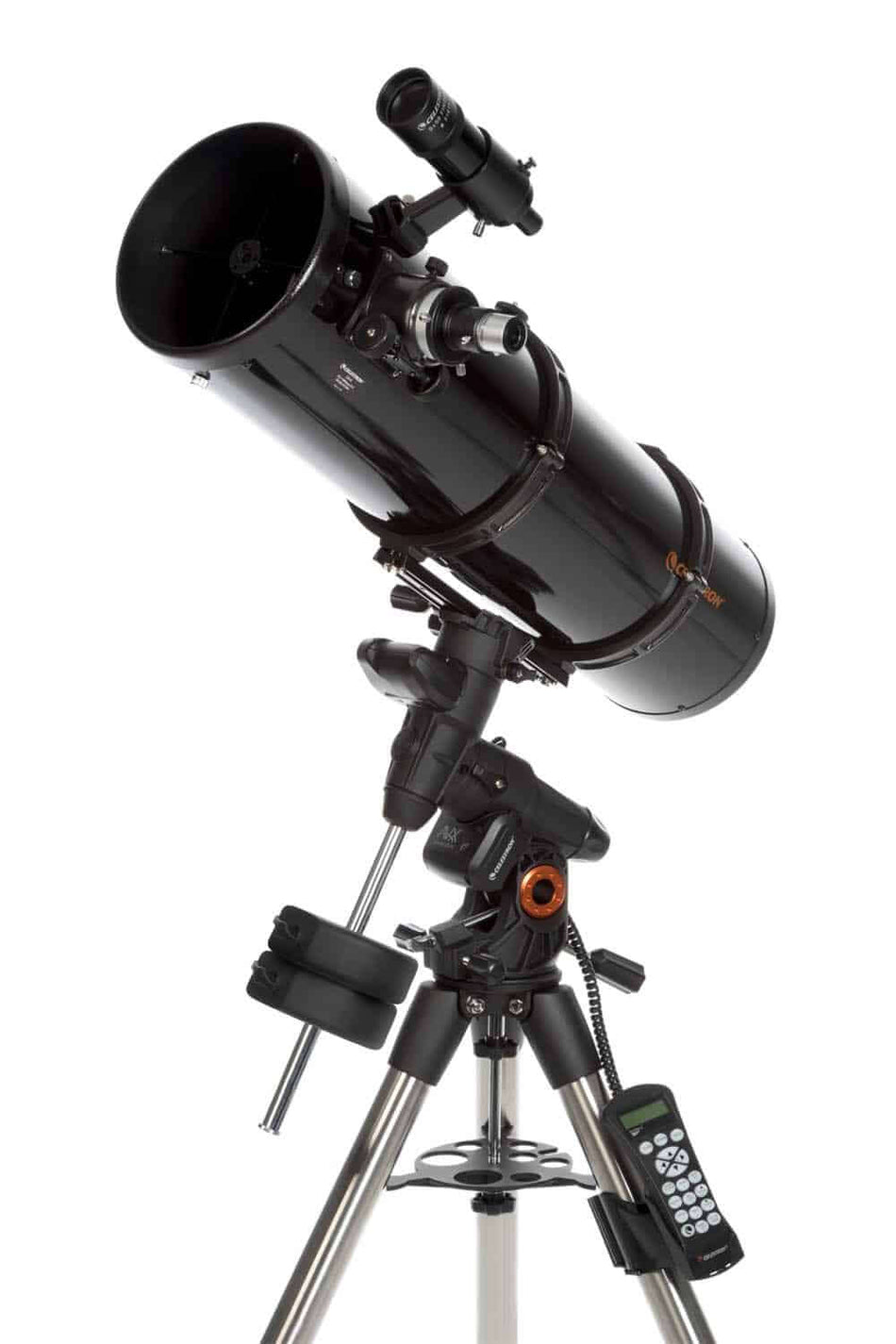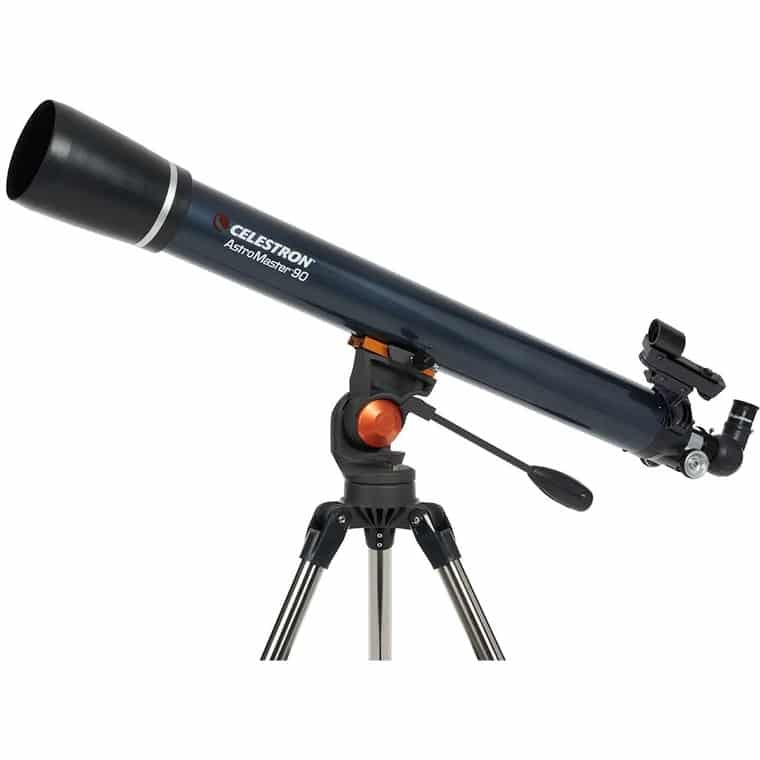
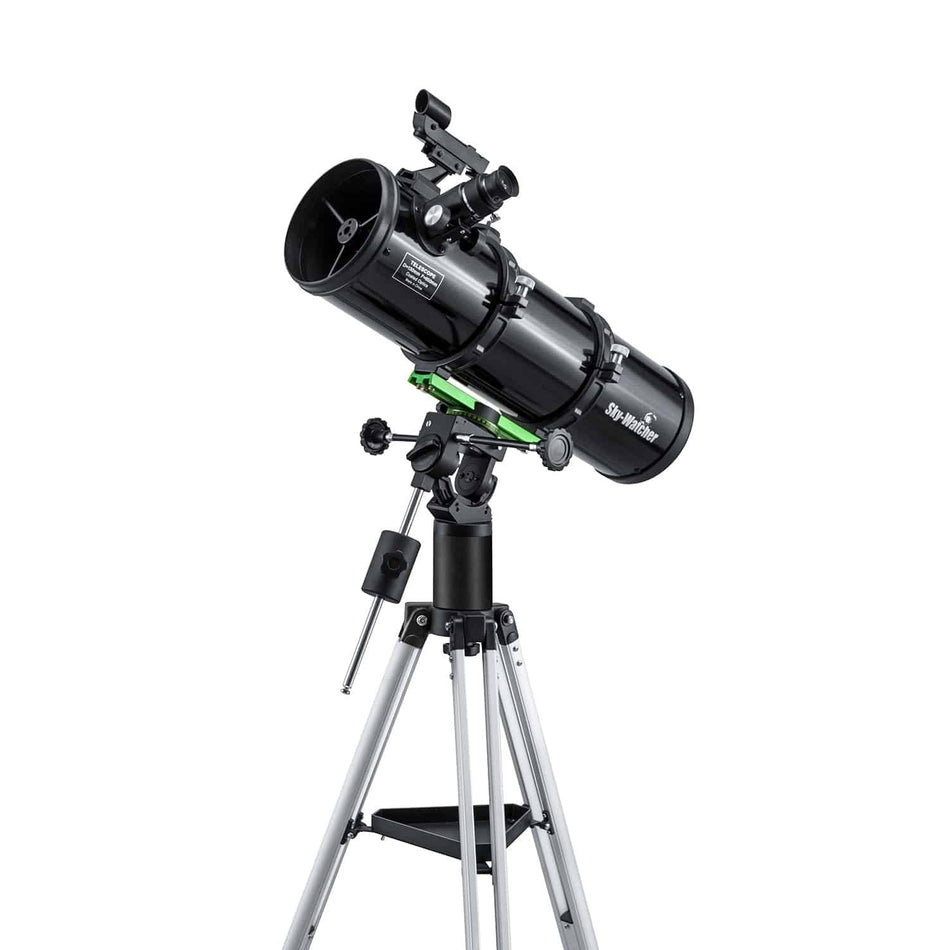
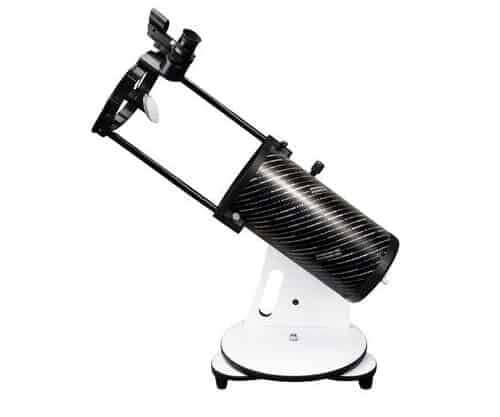
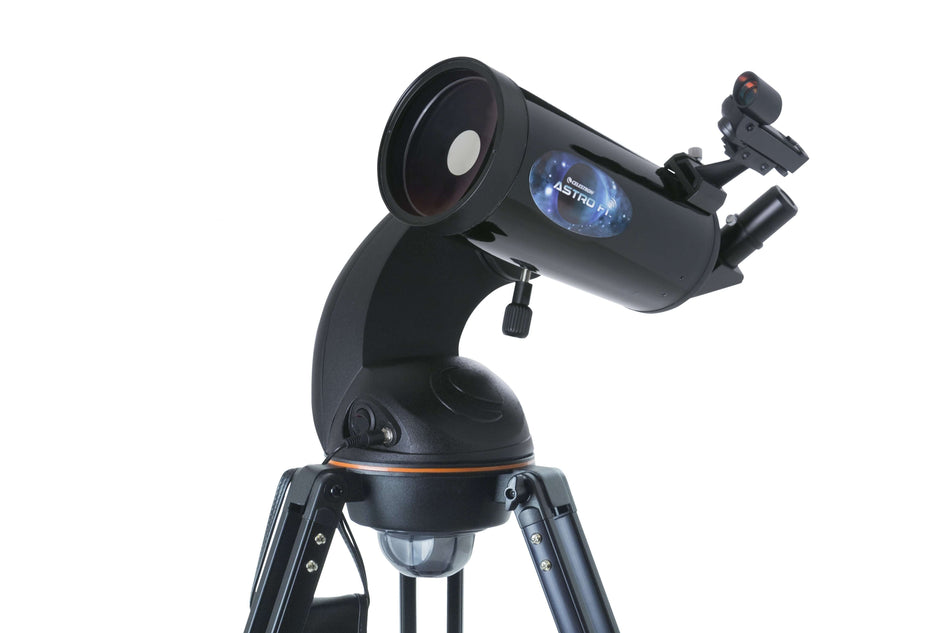
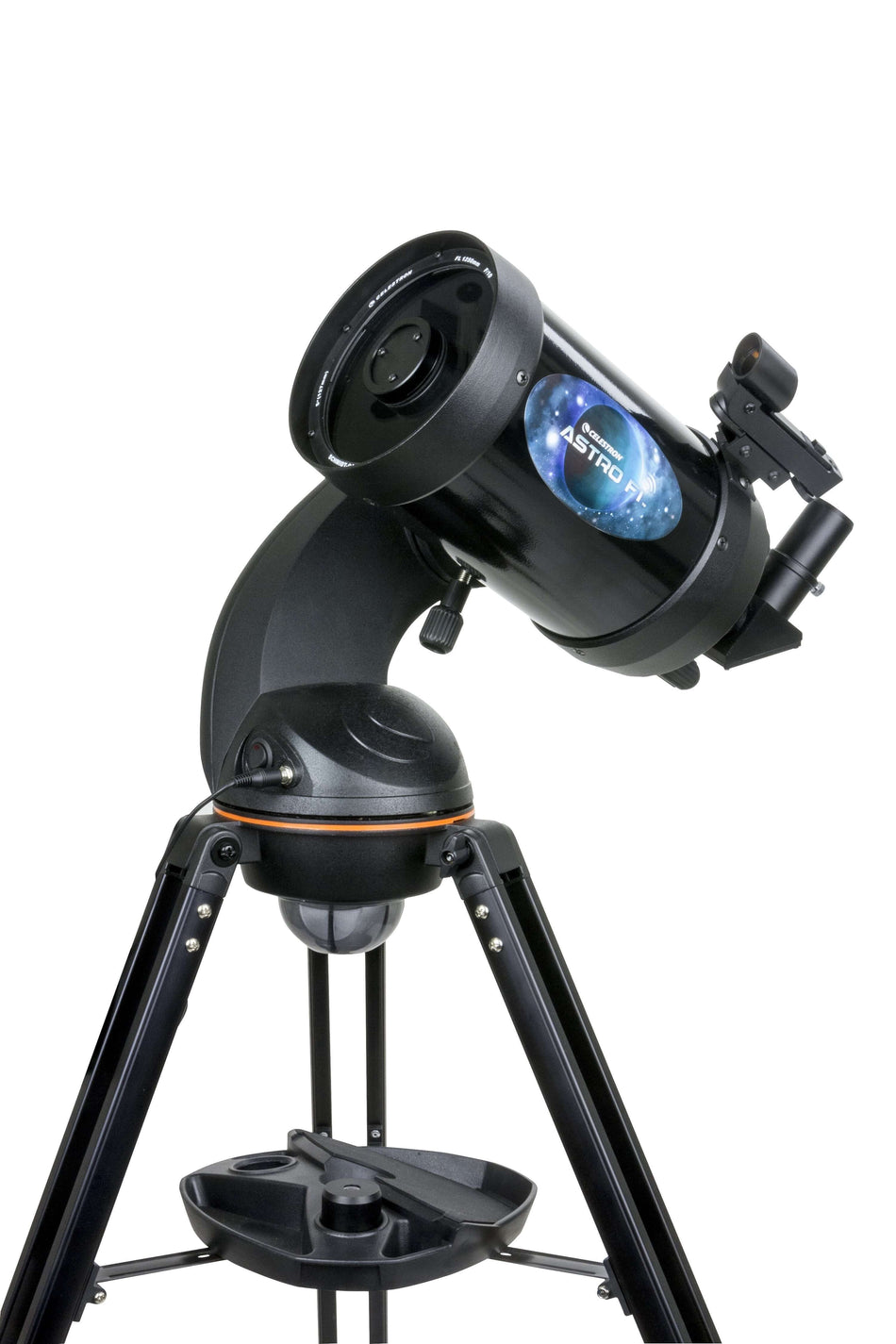
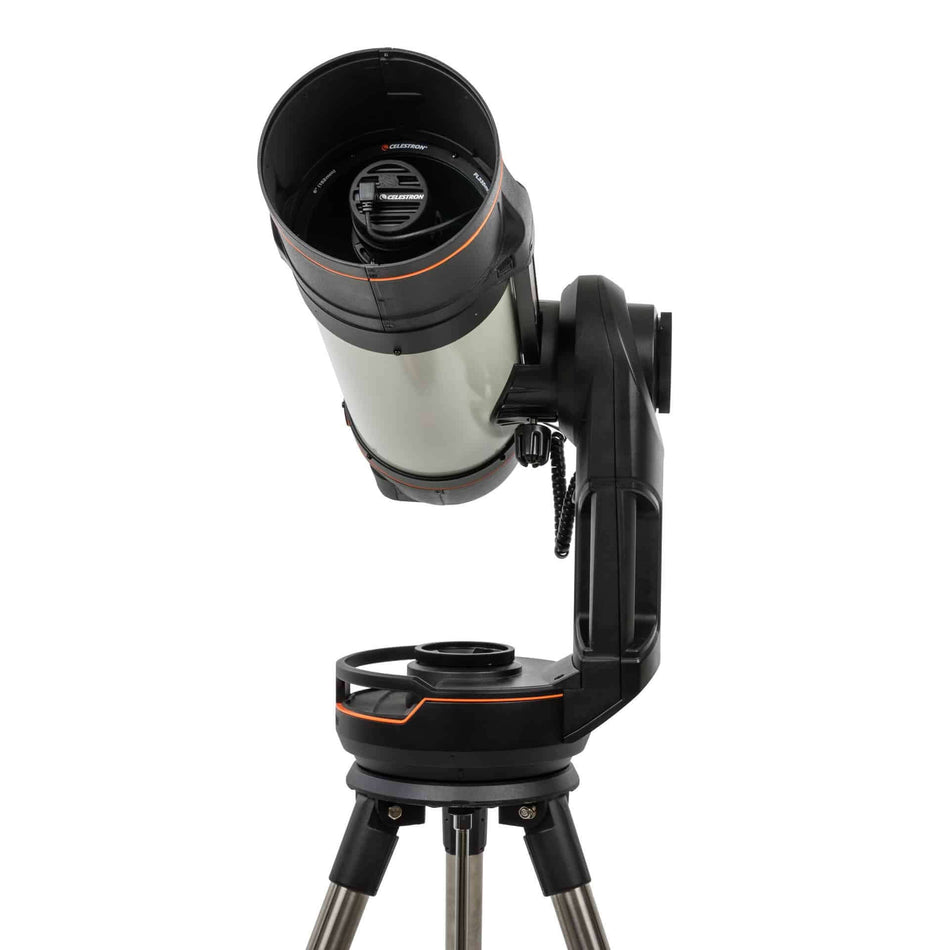
Complete telescopes are ready-to-use astronomical instruments including optical tube and mount,
ideal for beginners or for upgrading your setup to observe the Moon, planets and deep-sky objects.
- Types: refractors, Newtonian telescopes, Dobsonians, catadioptric systems, GoTo
- Quick choice: aperture, mount, portability, experience level
- Tip: stability and ease of use matter more than high magnification claims
Learn more: buying guide and FAQs
Types of complete telescopes
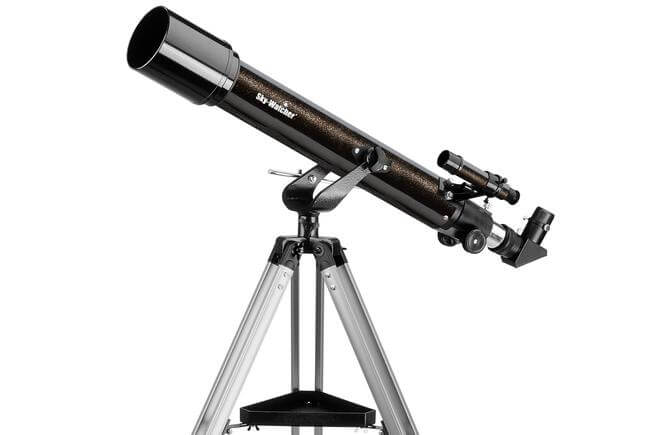
- Refractors: high contrast and sharp images, ideal for Moon and planetary observation.
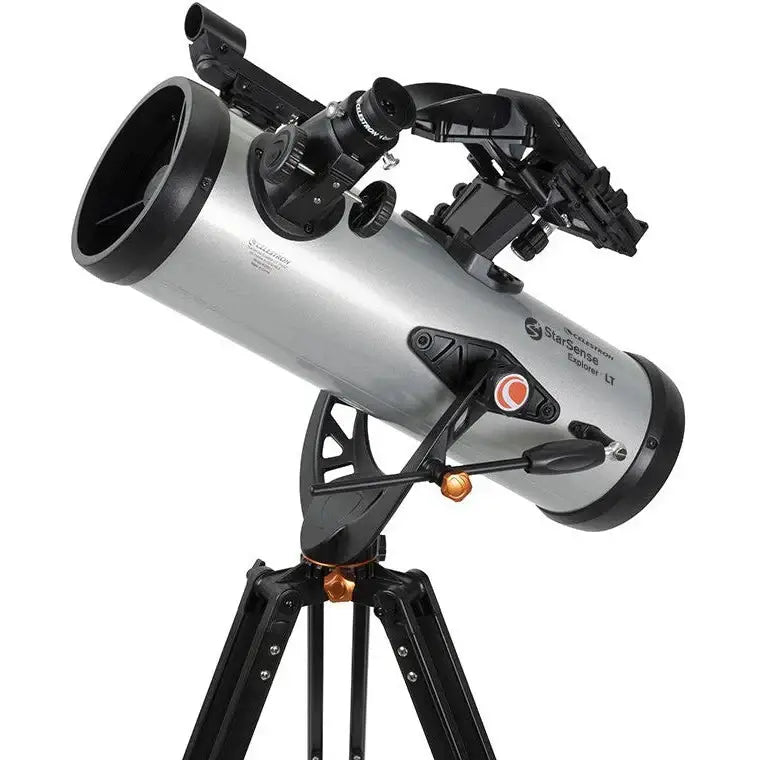
- Newtonian telescopes: large aperture at an affordable cost, suitable for deep-sky observing.
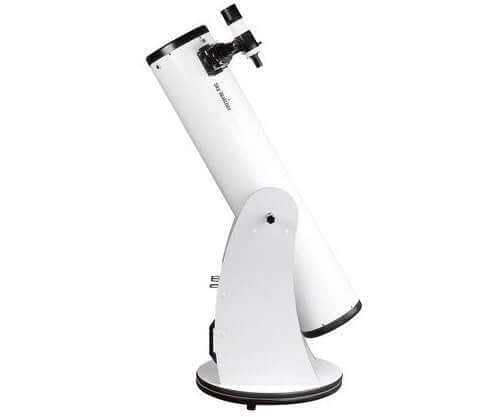
- Dobsonian telescopes: maximum aperture with simple operation, perfect for visual astronomy.
- Catadioptric telescopes: compact and versatile, excellent for planets and bright deep-sky objects.
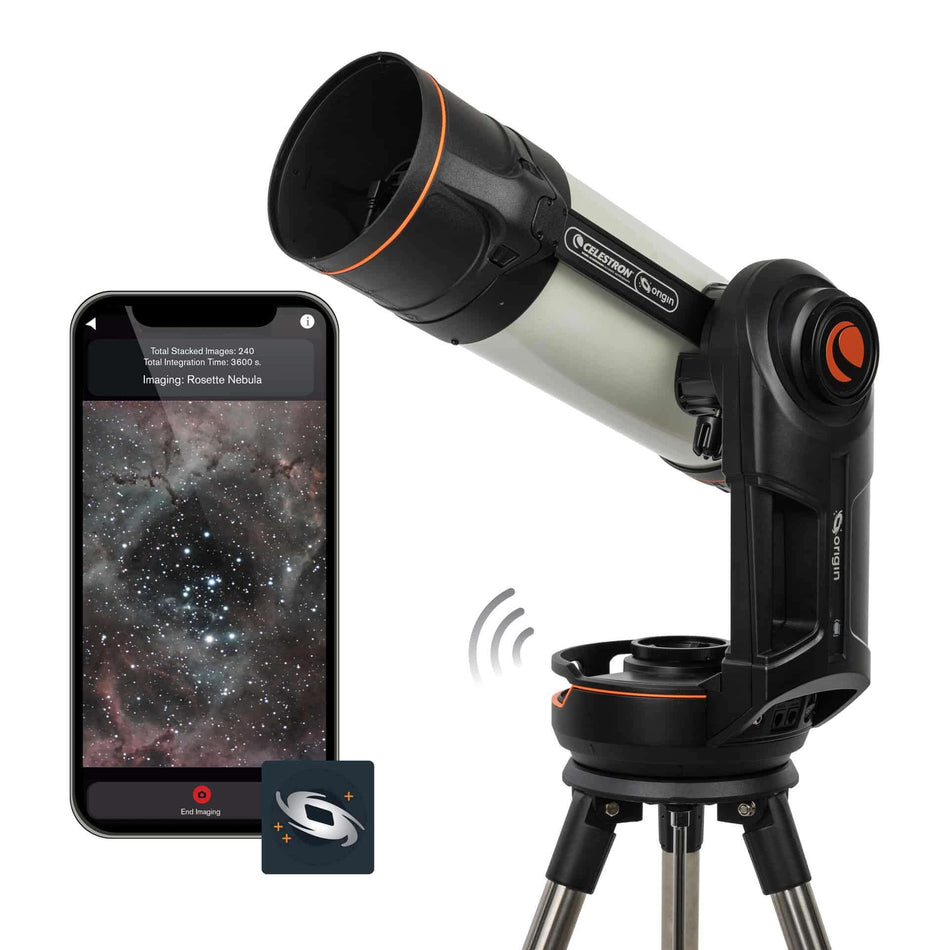
- GoTo telescopes: computerized systems that automatically locate thousands of celestial objects.
How to choose a complete telescope
- Aperture: directly affects light gathering and resolving power.
- Focal length: determines field of view and planetary or wide-field suitability.
- Mount: alt-azimuth for simplicity, equatorial for precision tracking.
- Portability: a telescope that is easy to move will be used more often.
Frequently asked questions (FAQ)
Are complete telescopes ready to use?
Yes, they include optical tube and mount, designed for immediate observing after basic setup.
Manual or GoTo telescope?
Manual telescopes help you learn the night sky, while GoTo systems make object location faster and easier.
Can I do astrophotography with a complete telescope?
Often yes for Moon and planets; deep-sky astrophotography requires higher mount precision and dedicated accessories.